¡No Me Digas! – ‘No Sabo,’ and That’s Okay (VIDEO: S2E1)
Hosts: 🌼Daisy Gómez and 🍓Juliet Ojeda
Producer: Juliet Ojeda
Total Runtime: ~12 minutes
1. INTRO (1:30 min)
- 🍓Juliet: Welcome to ¡No Me Digas!, the podcast where we break down topics that matter to nuestra comunidad.
- 🌼Daisy: And remember, it’s not chismé, it’s fact!
MUSIC INTRO
🍓Juliet: Let me ask you something. Have you ever been with your family, everyone’s talking in Spanish, you’re following along just fine, then somebody asks you a question, and the only response you can think of is in English?
🌼Daisy: Yeah, then you stutter and try to get something out and then they start laughing at you.
🍓Juliet: And maybe they say something like, “Ay, esta no sabe hablar espanol!”
🌼Daisy: And that’s usually where the idea of being a “no sabo” kid starts to come in.
🍓Juliet: For some people, it’s a joke. For others, it’s something that sticks. Something that makes you feel embarrassed or disconnected from your own culture.
🌼Daisy: The idea of a “no sabo” is opening the doors to a conversation where people are talking openly about language loss and how that relates to identity.
🍓Juliet: So today we’re breaking that down. What “no sabo” actually means, where it came from, why it became an insult, and why some people are now reclaiming it.
– 🌼Daisy: And we’re also asking a bigger question: should not speaking Spanish fluently really make you “less” Latino?
2. WHAT DOES “NO SABO” MEAN AND WHERE DID IT COME FROM? (2 mins):
🍓Juliet: If you’re not sure what the term “no sabo” actually means, it’s meant to be a gag that comes from a grammatical mistake. In Spanish, “I don’t know” is “no sé,” but beginner speakers sometimes apply regular verb patterns (“yo como,” “yo tengo,” “yo hablo,” etc.) and say “no sabo” instead.
🌼Daisy: That mistake turned into a label: usually aimed at second-or third-generation Latinos who understand Spanish but don’t speak it fluently. The term itself is meant to be condescending, as it’s literally built on pointing out a mistake.
🍓Juliet: And that shame has real effects. According to a Pew Research Center study, 24 percent of Latino adults in the U.S. say they can only speak Spanish a little or not at all, and many say they’ve been mocked or discouraged from using it
🌼Daisy: Educators interviewed by College Board also note that for many students, being labeled “no sabo” isn’t just about the language: it affects confidence, identity, and whether they feel they belong in Latino spaces
3. CODE-SWITCHING, SPANGLISH, AND ASSIMILATION (1 min):
🍓Juliet: A lot of “no sabo” kids aren’t actually disconnected from Spanish. Many understand it perfectly. They just respond in English.
🌼Daisy: Language loss often comes from assimilation pressures. Parents were told to speak English at home so their kids wouldn’t fall behind in school or face discrimination, in order to “make it” in this country.
🍓Juliet: Maria Palma, a reporter with KUNR Public Radio here in Reno, interviewed a student from UNR with first-hand experience about this issue. She explained that although she grew up speaking Spanish, her parents decided that it wasn’t helping her in her education, and stopped speaking to her in Spanish.
🌼Daisy: So the irony is, people are punished twice. First for knowing Spanish and being forced to assimilate, then later for not being fluent enough.
4. DOES SPEAKING SPANISH DEFINE LATINIDAD? (2 mins):
🌼Daisy: This is where the bigger debate comes in. There’s this idea that speaking Spanish makes you more Latino, and not speaking it makes you less.
🍓Juliet: But that idea doesn’t really hold up. Writer Lissete Lanuza Sáenz points out that Spanish itself technically isn’t even native to Latin America: it’s the language of colonization, and it’s not the only language spoken in Latin American countries.
🌼Daisy: The narrative that speaking Spanish makes one “more latino” erases Brazilians, whose main language is Portuguese. This also erases Indigenous communities in various Latin American countries, and Afro-Latino histories.
🍓Juliet: More Pew Research Center data shows that while 54 percent of Latinos who don’t speak Spanish have been shamed for it, more than three-quarters say speaking Spanish is not required to be considered Latino.
🌼Daisy: So there’s a disconnect. People intellectually understand that language doesn’t define our identity but socially, the pressure is still there.
🍓Juliet: And that pressure shows up in public moments too. Celebrities like Ariana DeBose and Jenna Ortega have spoken openly about feeling “less than” for not being fluent.
5. INTRODUCING THE GUEST:
🌼Daisy: So we’ve talked about the history, the research, the numbers.
🍓Juliet: But this conversation really comes down to lived experience.
🌼Daisy: That’s why we’re bringing in our guest Ally Ibarra today. She’s a UNR student, a meteorologist intern at KUNR; and someone who identifies as a “no sabo” kid and has navigated all of this personally.
6. OUTRO (1 min)
🍓Juliet: So if there’s one thing this conversation makes clear, it’s that Latinidad doesn’t require a checklist.
🌼Daisy: Language matters, but it doesn’t determine your worth, your culture, or your belonging.
🍓Juliet: For some people, reclaiming “no sabo” is empowering. For others, it still hurts. Both things can be true.
🌼Daisy: What shouldn’t be true is making people feel like they don’t belong because of how they speak.
🍓Juliet: Well that wraps up today’s episode, so make sure you tune in next time.
🌼Daisy: This has been ¡No Me Digas! And remember,
Both Hosts: “… it’s not chismé, it’s fact!”
This episode of ¡No Me Digas! was hosted by Daisy Gómez and Juliet Ojeda, who also produced the segment.
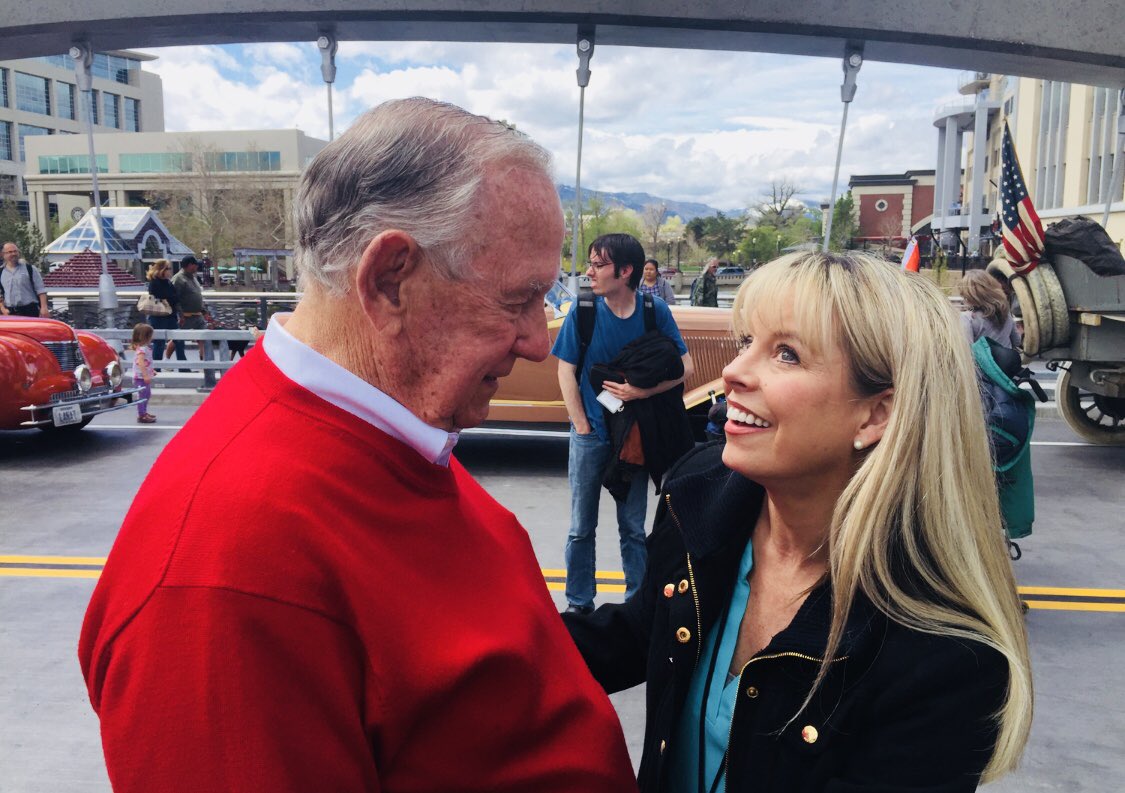
Bob Cashell, former mayor or Reno, dies at 81 years old

Nevada Assembly votes to abolish death penalty in historic move
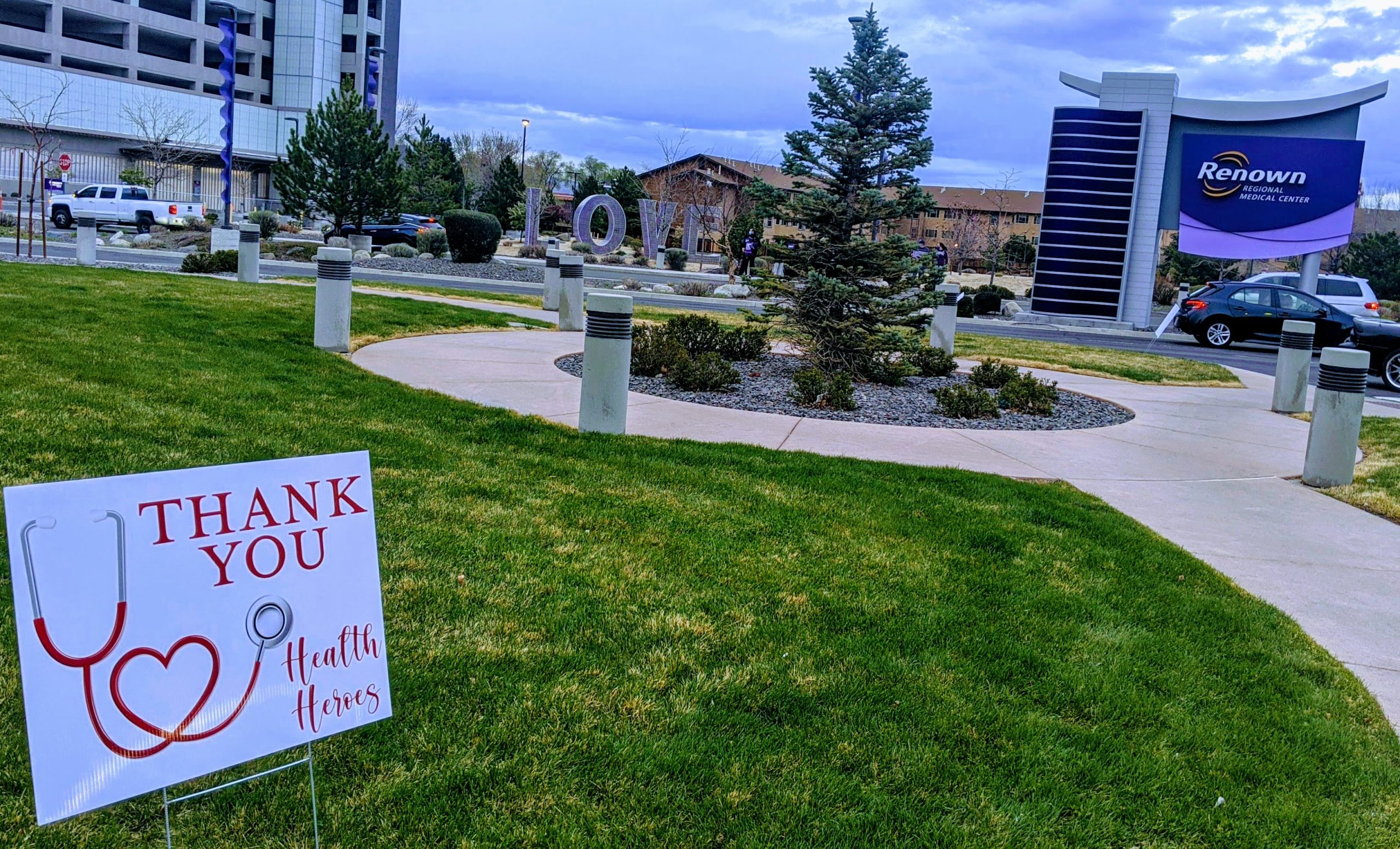
Local nurse takes health precautions seriously for the well-being of her family
About The Author

Noticiero Movil
Managing Editor of Noticiero Móvil