
Artificial Turf and Tourism: How They Impact the Development of Youth Sports in Reno
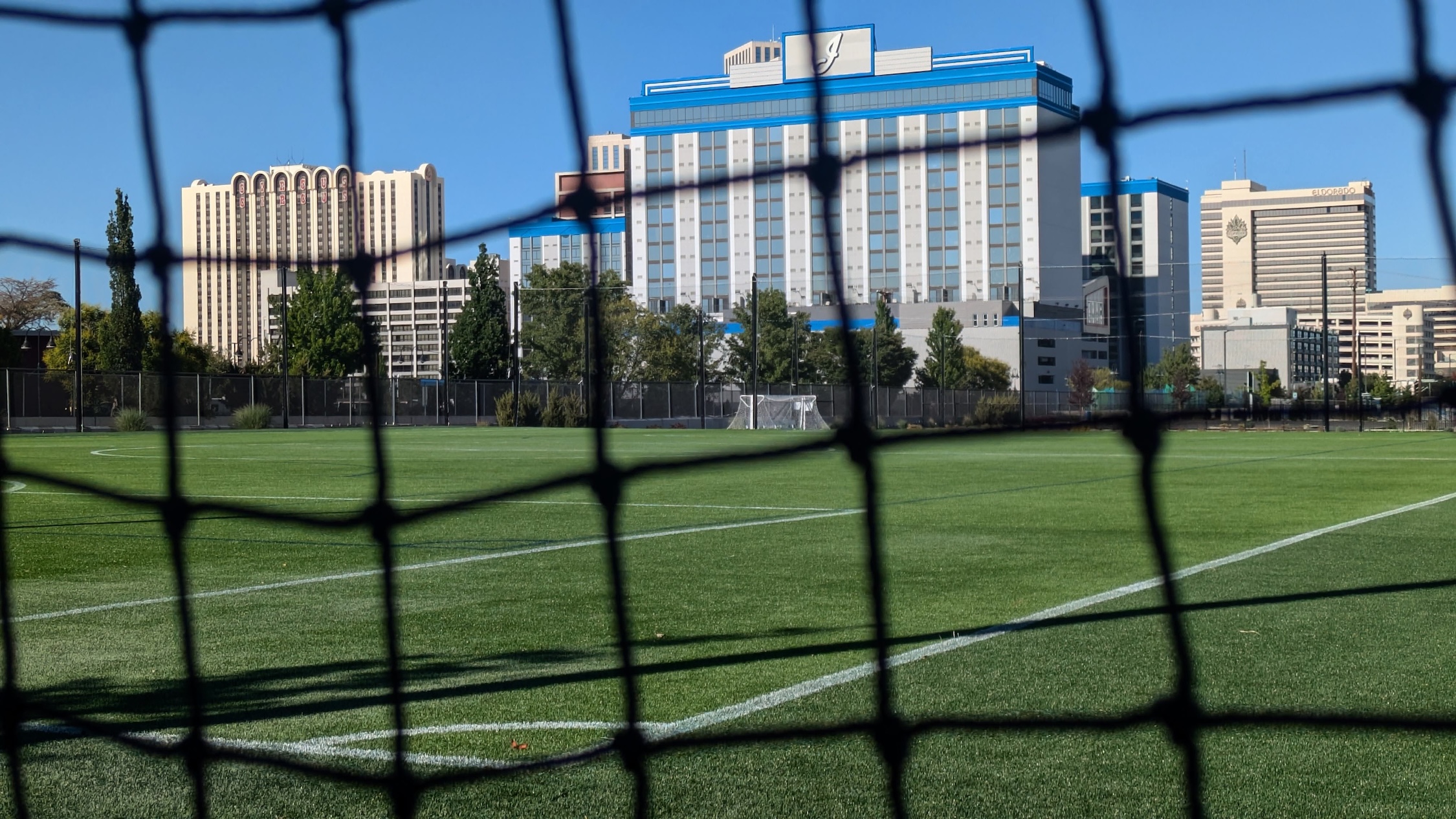
A major youth sports complex planned for downtown Reno is creating a new home for regional soccer and lacrosse tournaments.
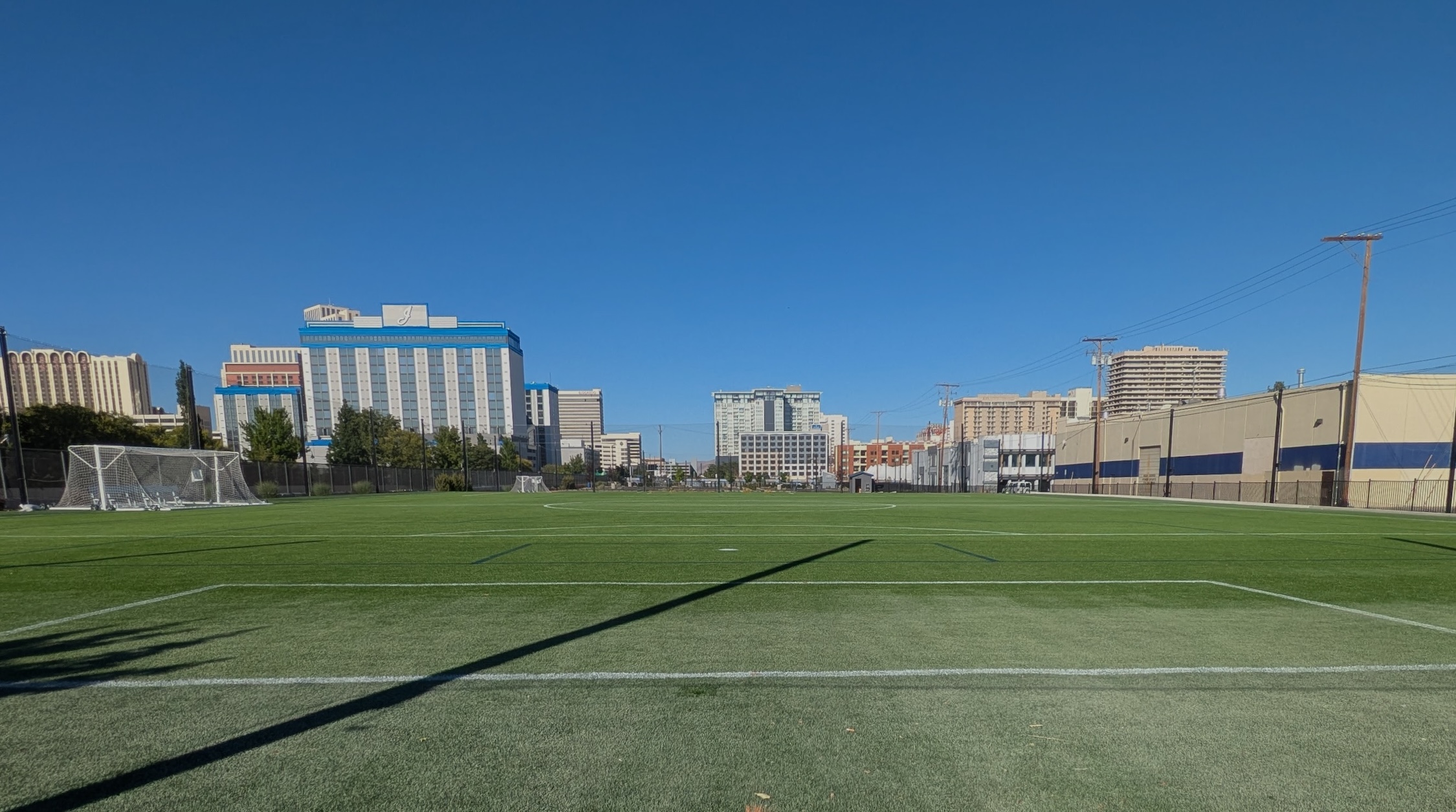
At the J Resort’s Neon Line District, developers are building 12 turf fields over the next six years, with the first four fields scheduled to open this summer. The project is being developed through the Downtown Reno Amateur Sports Association (DRASA), an initiative announced by Jacobs Entertainment in October 2025.
According to DRASA, the final project includes field configurations for 7-v-7, 9-v-9, and 11-v-11 in order to accommodate all youth age groups. The initial phase will cost about $5 million and will serve as the first step in the $130 million sports complex project.
DRASA and J Resort are currently working with Reno Apex to finalize the 2026 travel youth soccer schedule with tournaments over ten weeks, with plans to expand that to 12–14 weekends in 2027, according to the website.
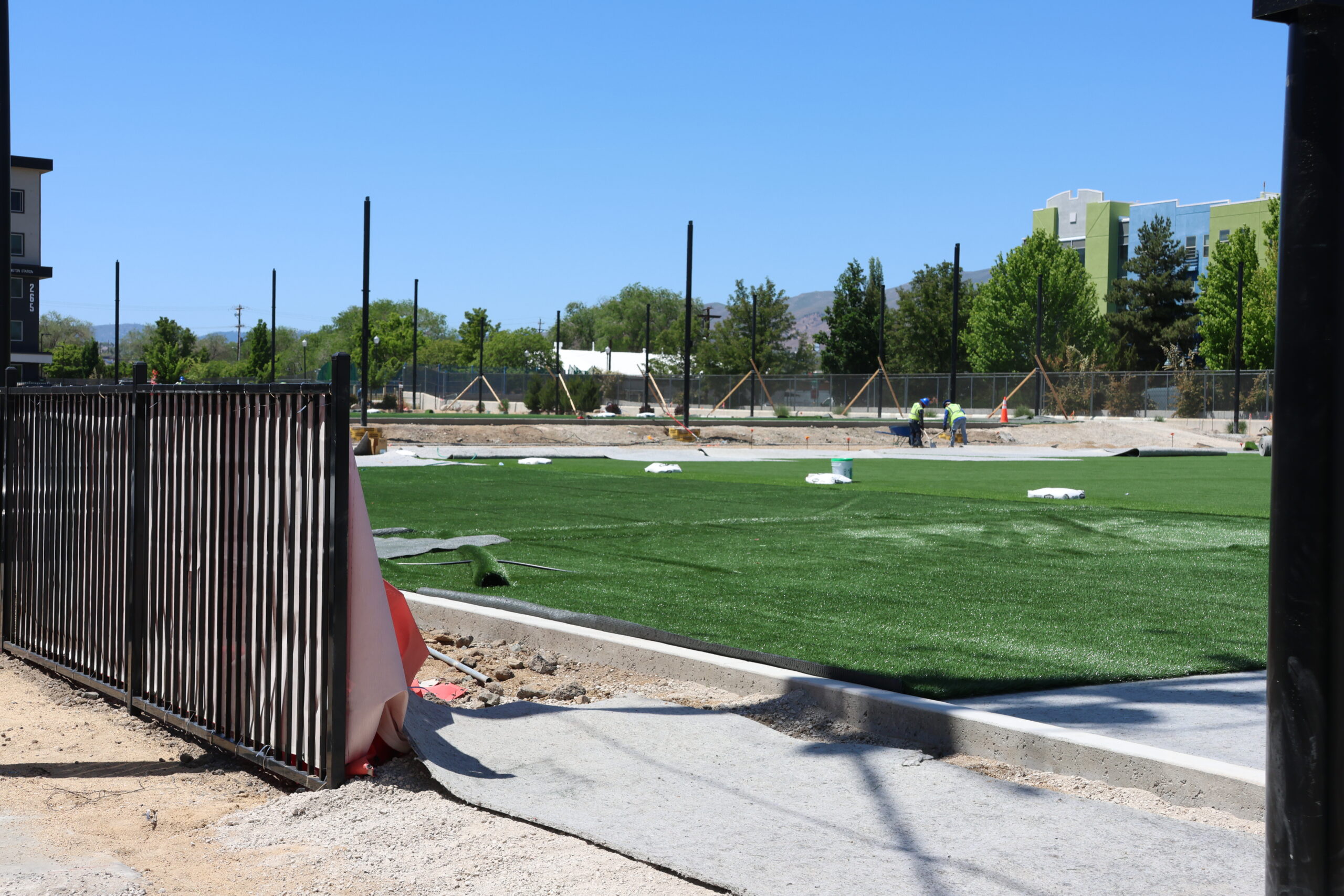
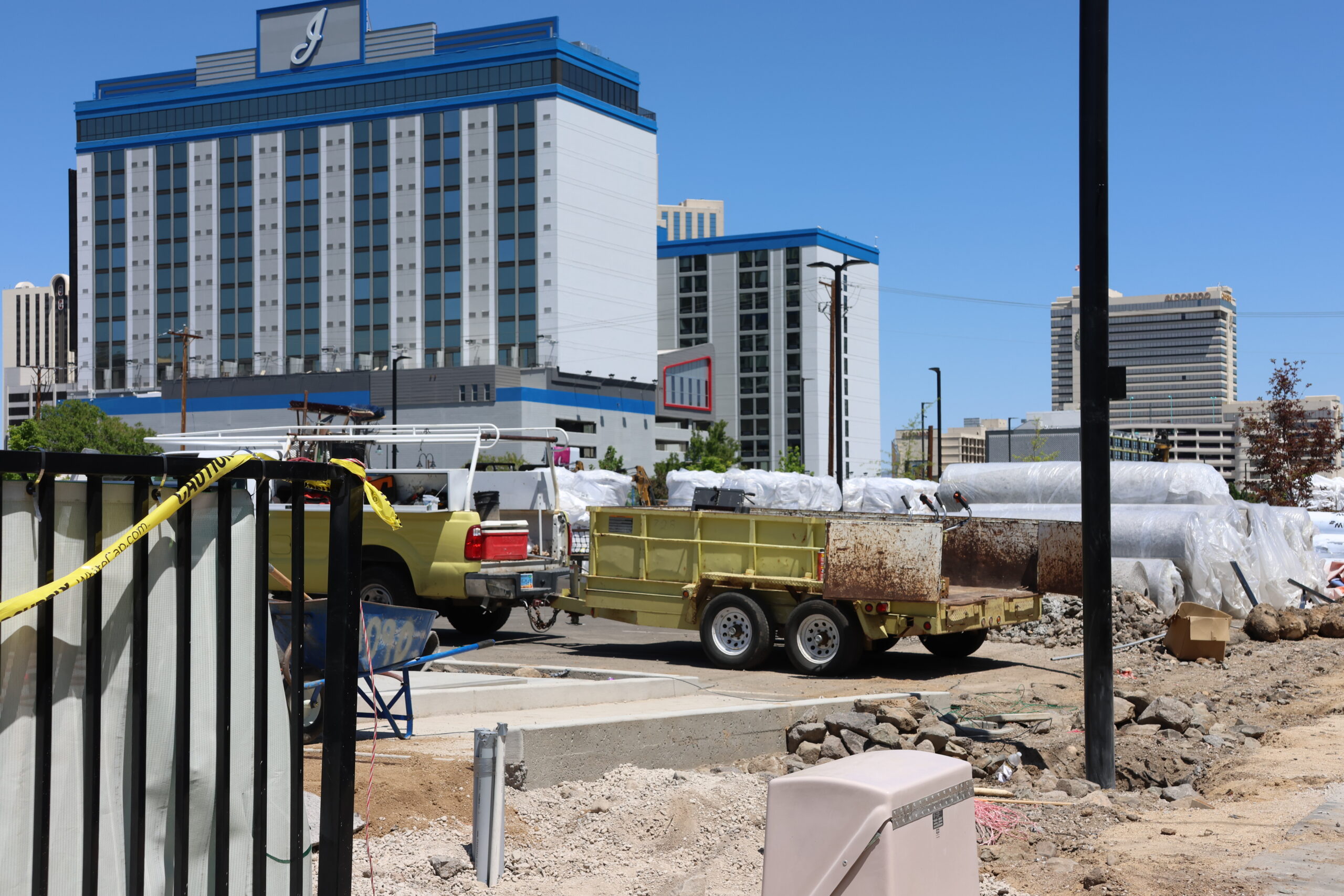
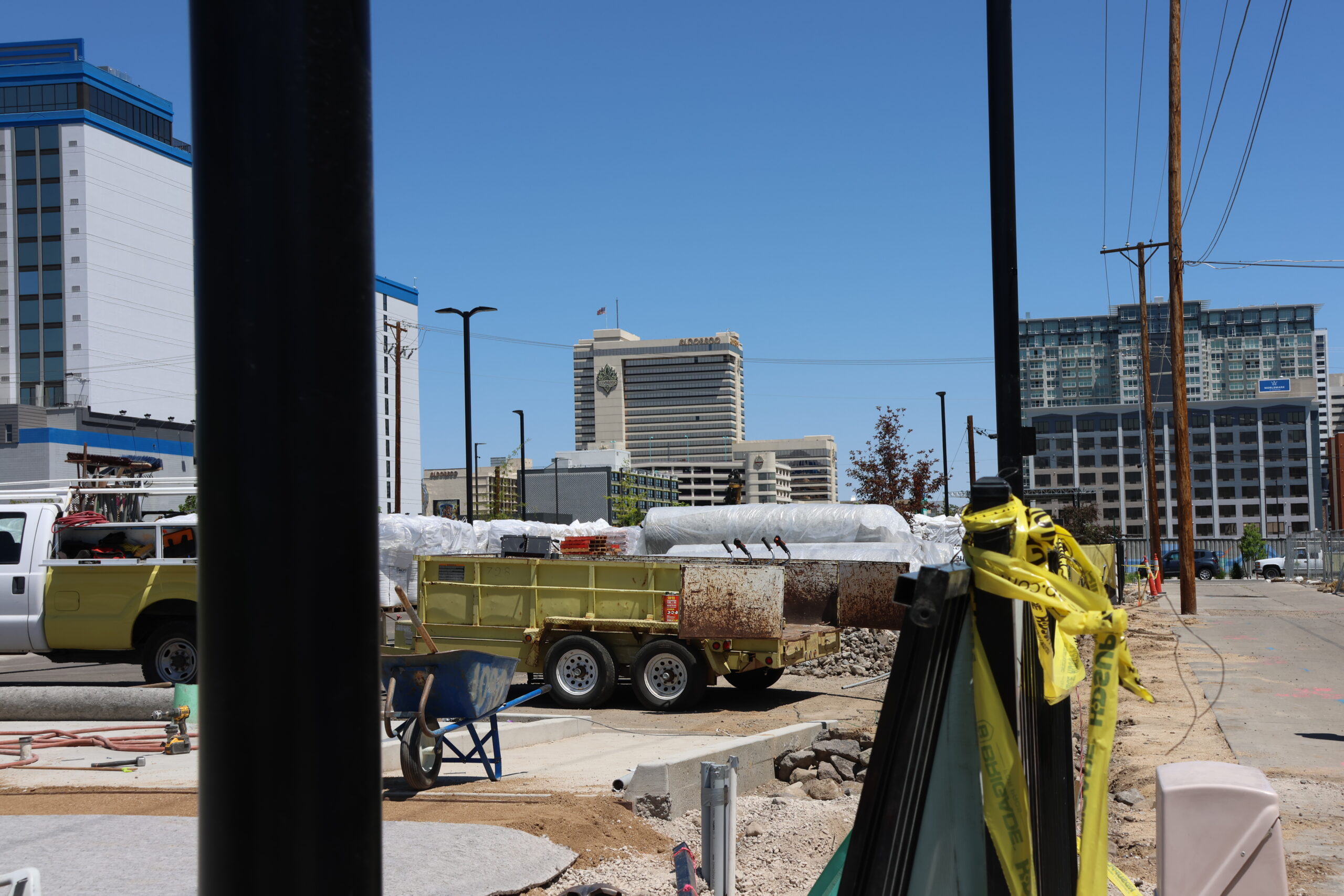
The first tournament was held on the weekend of June 5 for boys playing U8-U12 soccer. KOLO News 8 was there to catch some of the enthusiasm the fields will bring to the city.
“It couldn’t have happened at a better time with the World Cup coming up and that excitement and the buzz of soccer. Just being here for this is amazing,” told the president of Reno Apex Soccer Club and Great Basin Youth Soccer League, Randy Ritter, to KOLO 8 News.
However, the Reno community might be curious as to why J Resorts is committing to this particular project.
This investment by J Resorts reflects the rapid growth of youth sports nationwide, which has become a multi-billion-dollar industry, according to the Aspen Institute’s Project Play survey. It learned that the average amount a family in the United States spent on their child’s primary sport increased 46% from 2019 to 2024. The costs included tournament fees, travel expenses, hotel stays, and equipment costs creating a significant opportunity for Reno to capitalize on this project. The local casino wants to gain some of that youth sports spending, which on average, is nearly $1,500 a year on hotels and tournaments per family.
“These new fields will help us capture some of that revenue here in Reno,” J-Resort boasts on its website.
There to celebrate opening day was Jeff Jacobs, the chief executive officer of Jacobs Entertainment, and he reiterated the company’s findings about the need for more soccer fields in Reno.
“The experts tell me we’re about 50 to 60 fields short. We want to bring more people over the hill to come and enjoy downtown Reno,” Jacobs told KOLO 8.
With the intention of providing year-round tournaments, picking the correct material to build the fields is crucial to the longevity of the sports complex.
The J Resort opted to install 12 turf fields. Turf does not require regular maintenance and allows for year-round usage that has the durability to withstand the usage of thousands of athletes and Reno’s diverse climate. It doesn’t require watering or mowing, which helps to keep physical labor maintenance prices down as this complex will grow from four fields to 12 in the coming years.
While grass fields have traditionally been preferred by many athletes for its softer playing surface and cooler temperatures, they require extensive upkeep and recovery time. Natural grass must be watered regularly, reseeded, and mowed. With the busy tournament schedule J Resort expected that for just this summer, the foot traffic would quickly wear down the surface.
The decision to install turf aligns with Reno’s dry climate and water conservation efforts. While there is stable water supply for the upcoming summer as reported by the Truckee Meadows Water Authority, due to the below-average snowpack levels the winter brought the region, it is important to keep in mind the future of maintaining grass fields.
A 12-grass-field sports complex would require anywhere from 15 to 25 million gallons of water over a 12-week period to remain playable, especially during Nevada’s hot summer months. On average, one grass field can require around 1.5 million gallons of water.
However, the debate between grass and turf is ongoing.
According to Penn State’s Center for Sports Surface Research, synthetic turf can be anywhere from 35 to 55 degrees hotter than natural grass, bringing turf temperatures easily to 115 degrees or higher. Research also shows that turf is harder on the joints and body as there is less shock absorption than regular grass fields. However, as turf becomes more commonly used and technology advances, turf has evolved to become safer and can better replicate natural grass conditions.
As construction continues, DRASA and the J Resort hope that the complex shows Reno’s redevelopment effort but also becomes a destination for youth athletics to flourish in the community.
Reporting by Morgan Kilbourne with additional contributions from Claudia Cruz.
Paul Rodriguez on the lack of Latinos on television

What is Question 1 on the 2022 Nevada ballot, or the Equal Rights Amendment?

Changing Cat Culture in the Latino Community One Kitty at a Time
About The Author

Noticiero Movil
Managing Editor of Noticiero Móvil