
Earthquake Safety: What to Do Before, During and After the Shaking
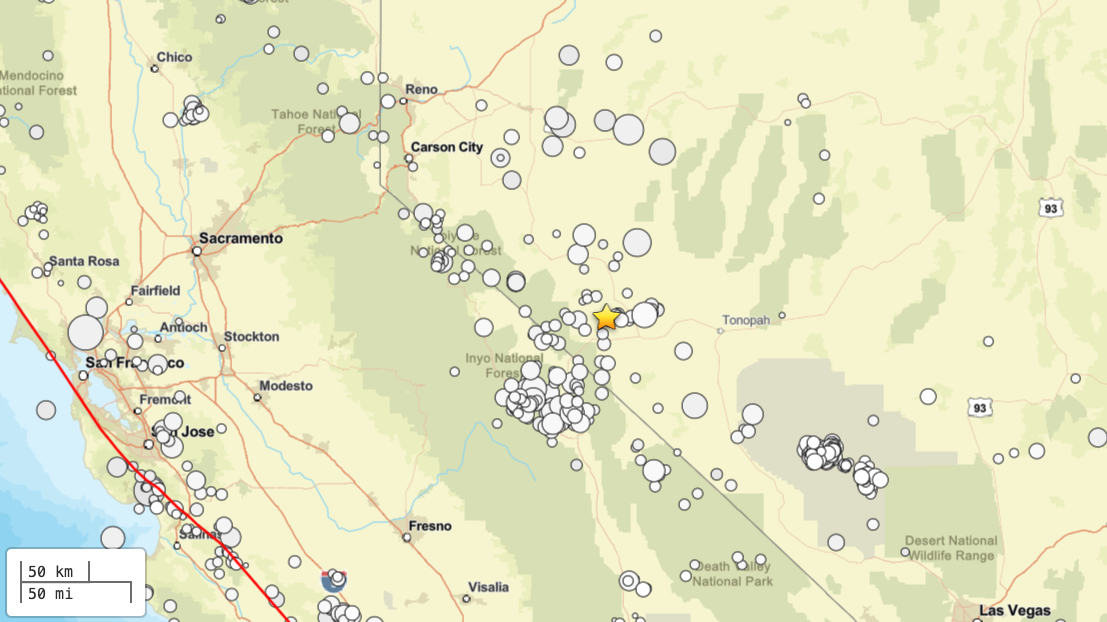
Earthquakes can strike without warning, leaving only seconds to react. Although most of them are minor, Nevada is one of the most seismically active states in the United States, making preparedness an important part of everyday safety. Knowing what to do before, during and after an earthquake can help reduce the risk of injury and give families the confidence to respond when the ground begins to shake.
For residents in Northern Nevada, earthquake preparedness is especially important because the region has experienced significant seismic activity throughout history. From securing items inside the home to knowing where to take shelter, small steps before an earthquake happens can make a major difference.
Although earthquakes cannot be predicted or prevented, experts say preparation can significantly reduce the risk of injury. From assembling an emergency kit and securing heavy furniture to knowing how to react during the sudden tremor, understanding the recommended safety steps before, during and after an earthquake can help residents respond quickly and protect themselves and their families.
Before and Earthquake: How to prepare
Preparing before an earthquake happens can help reduce injuries and make it easier for themselves and their families to respond during an emergency. Taking a few simple steps ahead of time can make a significant difference when an earthquake is about to strike.
- Create an emergency kit: Include enough water and nonperishable food for several days, a first aid kit, flashlight, extra batteries, medications, cash, important documents, a battery-powered or hand-crank radio, and phone chargers or outlets.
- Secure your home: Anchor bookshelves, dressers, TVs and water heaters to the wall to help prevent them from tipping over during an earthquake.
- Know the safest places in your home: Find sturdy table or desks where you can take cover and stay away from windows, mirrors, hanging objects and tall furniture that could potentially fall.
- Make a plan: Decide where family members will meet if separated, choose an out-of-area emergency contact and make sure everyone knows how to communicate if phone service is limited.
- Learn how to shut off utilities if necessary: Know where your home’s gas, water and electricity are. Only turn them off if there is damage or you are instructed to do so by officials.
During an Earthquake: Drop, Cover and Hold On
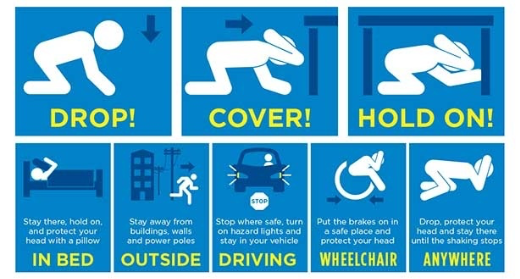
When an earthquake begins, experts recommend following the Drop, Cover and Hold On method to reduce the risk of injury.
- Drop: Get down on your hands and knees immediately. This position helps you stay balanced and allows you to move if necessary.
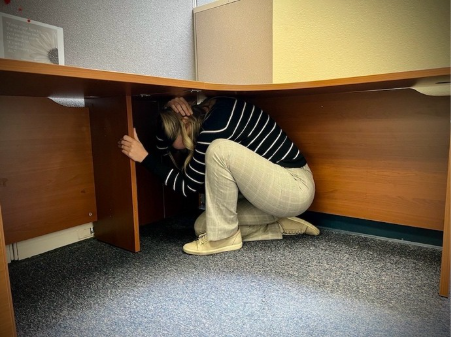
- Cover: Protect your head and neck by getting under a sturdy table or desk. If no shelter is available, crouch next to an interior wall away from windows and cover your head and neck with one arm and hand.
- Hold On: Hold on to the shelter until the shaking stops. If your shelter moves, move with it while continuing to protect yourself.
Additional Safety Tips
- Stay indoors if you are already inside. Running outside during an earthquake can increase your risk of being struck by falling debris such as glass and bricks.
- stay away from windows, mirrors, hanging lights and tall furniture that could fall.
- If you are outside, move to an open area away from buildings, trees, streetlights and power lines.
- If you are driving, pull over to a safe location away fro bridges, overpasses and power lines. Set the parking brake and stay inside the vehicle until the shaking ends.
- If you are in bed, remain there is it is safe to do so and protect your head with a pillow.
After the Shaking Stops: Hold On and Stay Alert
- Expect Aftershocks: They can happen minutes, hours or even days after the main earthquake. If shaking starts again, immediately refer to Drop, Cover and Hold On.
- Check for Injuries: Make sure you and those around you are safe. Provide first-aid if you are trained and call 911 only for life-threatening emergencies.
- Watch for Hazards: Look for broken glass, damaged buildings, exposed electrical wires, gas leaks and fallen power lines. Leave the area if you believe the building is unsafe.
- Avoid using Elevators: They could become stuck or lose power.
- Listen for Official Updates:Use a battery-powered or hand-crank radio, trust red news outlets or emergency alerts for instructions from local authorities.
- Communicate Wisely: Send text messages instead of making phone calls when possible since texts are more likely to go through if networks are jammed.
Although earthquakes cannot be prevented, staying calm and following recommended instructions and safety steps before, during and after the shaking can reduce the risk of injury and help communities recover more quickly.
Common Mistakes to Avoid During an Earthquake
Running outside while the ground is shaking
- Many injuries occur when people try to run outside and are struck by falling glass, bricks or other debris. Instead, stay indoors if you are already inside and follow the “Drop, Cover and Hold On” guidance.
Standing in a doorway
- Many modern homes are not designed with doorways as the safest place to shelter. A sturdy table or desk offers better protection from falling objects.
Using an elevator
- Elevators can lose power or become damaged during an earthquake. use the stairs only after the shaking has stopped and it is safe to evacuate.
Using matches or candles after the earthquake
- If a gas line has been damaged, an open flame could ignite a fire. Use flashlights instead and report any suspected gas leaks to local authorities.
Calling family members immediately
- Phone networks may become overloaded after a major earthquake. Send text messages when possible to keep communication line open for emergencies.
Where to Find Emergency resources in Northern Nevada
Nevada Division of Emergency Management
- Provides statewide emergency preparedness information, alerts and resources for disasters including earthquakes.
- Encourage residents to create emergency plans and learn about local hazards.
Washoe County Emergency Management
- Offers local emergency preparedness information for Reno, Sparks and surrounding communities.
- Residents can find guidence on emergency plans, evacuation information and community alerts.
Ready Nevada/Emergency Preparedness Guides
- Provides checklists for emergency kits, family communication plans and steps to prepare for natural disasters.
- Includes information available in both English and Spanish.
Nevada Seismological Laboratory at the University of Nevada, Reno
- Provides earthquake information, research and updates about seismic activity in Northern Nevada.
- A useful source for readers who want to learn more about earthquake risks in the region.
Emergency Alerts
- Residents should sign up for local alert systems such as CodeRED emergency notifications for Washoe County and Wireless Emergency Alerts (WEA) sent directly to compatible cell phones.
Having emergency resources available before an earthquake happens can help families respond faster and make informed decisions during a time of crisis. Residents are encouraged to prepare now rather than wait until the next earthquake strikes.
Earthquakes can happen at any time, but the time to prepare does not have to be complicated. Taking a few minutes to make a plan, build an emergency kit and learn safety steps can help Northern Nevada resident feel more confident when facing a natural disaster. Staying informed and prepared is one of the best ways to keep families safe.
Article written and contributed by Dania Mayorquin Rosas, a senior, Spanish and Science double-major at the University of Nevada, Reno.
State orders half million at-home COVID-19 test kits amid Omicron surge

Reno 1868 FC’s Fan Base Is Growing Fast

What are PFAS and Why You Should Keep Them in Mind When Out Fishing
About The Author
