
From Touchdowns to Tragedy: Football, CTE, and the Human Cost of Head Trauma
UNR and Hug football players share how emotionally complex it is to deal with injuries as a student athlete.
Shane Devon Tamura, 27, a Las Vegas resident, opened fire in New York City on July 28, killing four people and injuring one before dying by suicide. Authorities say Tamura had recently traveled to the city and left behind a suicide note referencing severe headaches and a belief that his symptoms were linked to head trauma from playing football. The incident, in the building of the National Football League (NFL), has drawn renewed attention to the possible connection between chronic traumatic encephalopathy (CTE) and violent behavior.
Tamura did in fact have CTE at the time of the shooting according to the NYC Medical Examiner, ESPN reported in late September.
CTE is a progressive brain disease linked to repeated blows to the head, often seen in athletes involved in contact sports like football, boxing, and hockey. According to Mayo Clinic, it can only be diagnosed after death.
Depending on which parts of the brain are affected by the repetitive trauma, different types of symptoms may appear. These can include cognitive impairment, changes in memory, altered mood, and changes in executive brain functions like logical thinking and reasoning. Irrational, aggressive and impulsive behavior are also common. Symptoms may include memory loss, confusion, depression, impulsive behavior, and, in some cases, aggression. As more former athletes come forward with claims of lasting neurological damage, CTE has become a growing concern in both the medical and sports communities. Researchers continue to study its long-term effects and how it may influence mental health and behavior.
Shane Tamura’s case is not the first time CTE has been linked to violent or tragic outcomes among former football players. In 2012, Kansas City Chiefs linebacker Jovan Belcher killed his girlfriend before turning the gun on himself. A 2014 medical examination revealed signs of CTE in Belcher’s brain. Similarly, former New England Patriots tight end Aaron Hernandez, who was convicted of murder in 2013, died by suicide in prison four years later. After his death, Boston University researchers diagnosed him with one of the most severe cases of CTE ever seen in someone his age.
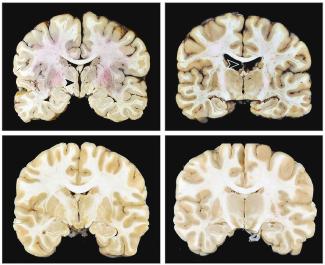
Long term cognitive decline has also been documented in players like Irv Cross, a two-time Pro Bowl defensive back who played nine seasons in the NFL. Known early in his career for suffering multiple concussions, Cross later developed dementia and believed his symptoms were tied to repeated head trauma. After his death, his brain was donated to Boston University, where researchers confirmed he had CTE, one of over 340 former NFL players to be diagnosed with the disease. These cases have added urgency to the ongoing discussion about player safety, long-term brain health, and the need for reform in contact sports.
How local athletes are thinking about the affects of CTE
As national conversations around CTE and mental health in football continue to grow, one of the University of Nevada, Reno (UNR) student-athletes spoke about how these critical issues were being handled at the college level and specifically UNR Football.
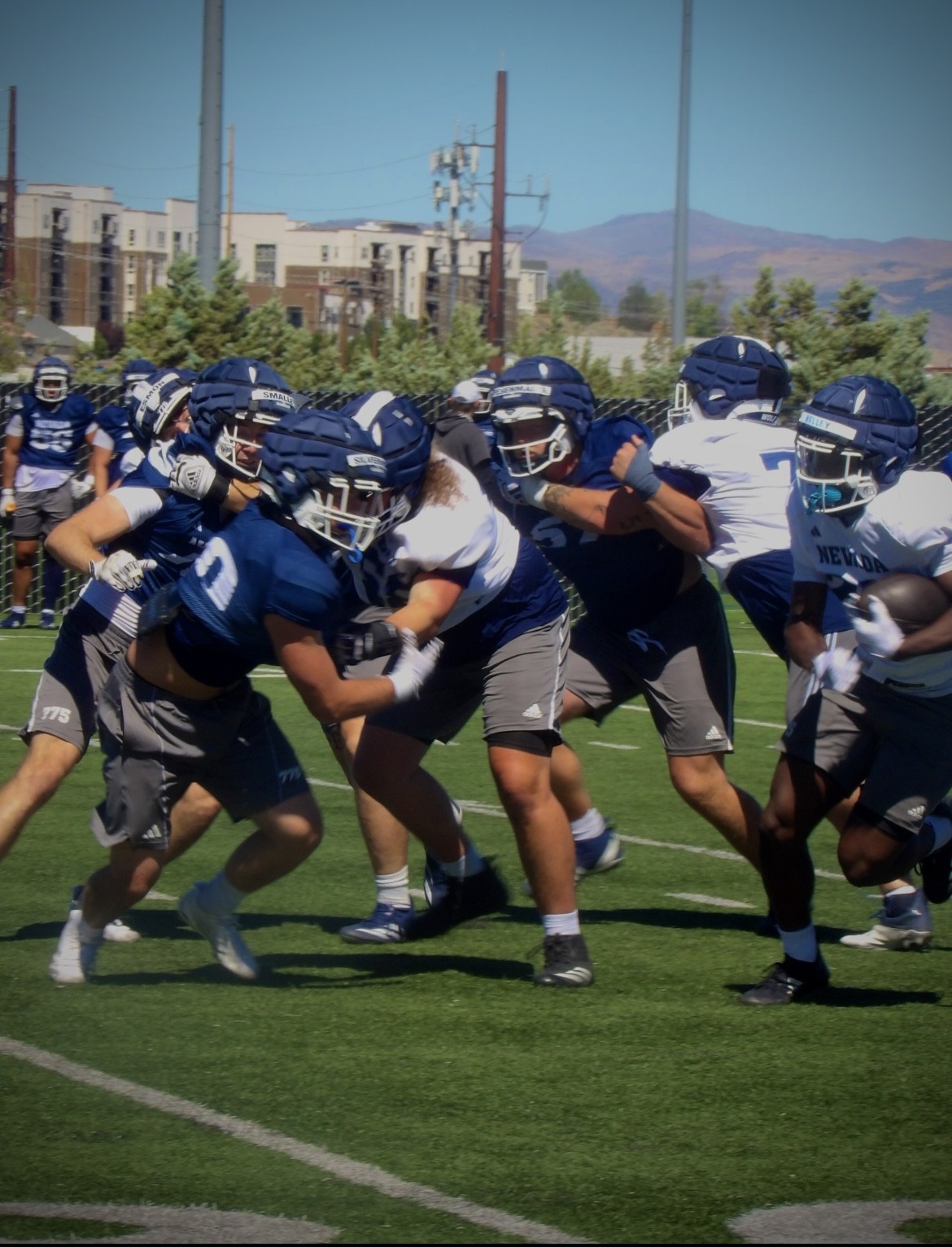
Jonathan Maldonado, a junior and No. 9 on the Wolf Pack football team, said education surrounding CTE and mental wellness has become a key part of the student-athlete experience from the moment players join the team.
“Every incoming freshman gets talked to about CTE and the possible medical issues that come with the game,” Maldonado said. “We have a mental health orientation. The coaches preach many of the risks that we could face a lot.”
Maldonado noted that UNR’s football program has made clear efforts to prioritize player safety, including changes in both rules and equipment.
“There’s been more effort to change the rules and make the game safer,” he said. “We now have extra cushions added to our helmets for practices and games to protect our brains more.”
Updated safety gear, including impact-reducing helmet padding, is now a regular part of practices and games, part of a broader push to limit the long-term risks associated with repeated hits to the head.

Still, Maldonado admits that navigating injuries as a student-athlete can be emotionally complex.
“When you see your team winning or losing, all you want to do is be part of that moment,” he said. “It’s tough to sit out. After 15 years of playing, it’s hard to miss out on something you love. The first injury hits the hardest and you start questioning your worth.”
While he hasn’t been formally diagnosed with a concussion, Maldonado shared that memory problems have become more frequent for him, a sign he finds troubling.
Despite these concerns, his passion for football remains strong.
“Even after learning more about CTE, it’s worth the risk,” he said. “I’ll continue to push myself every single day, hoping to keep playing football after college.”
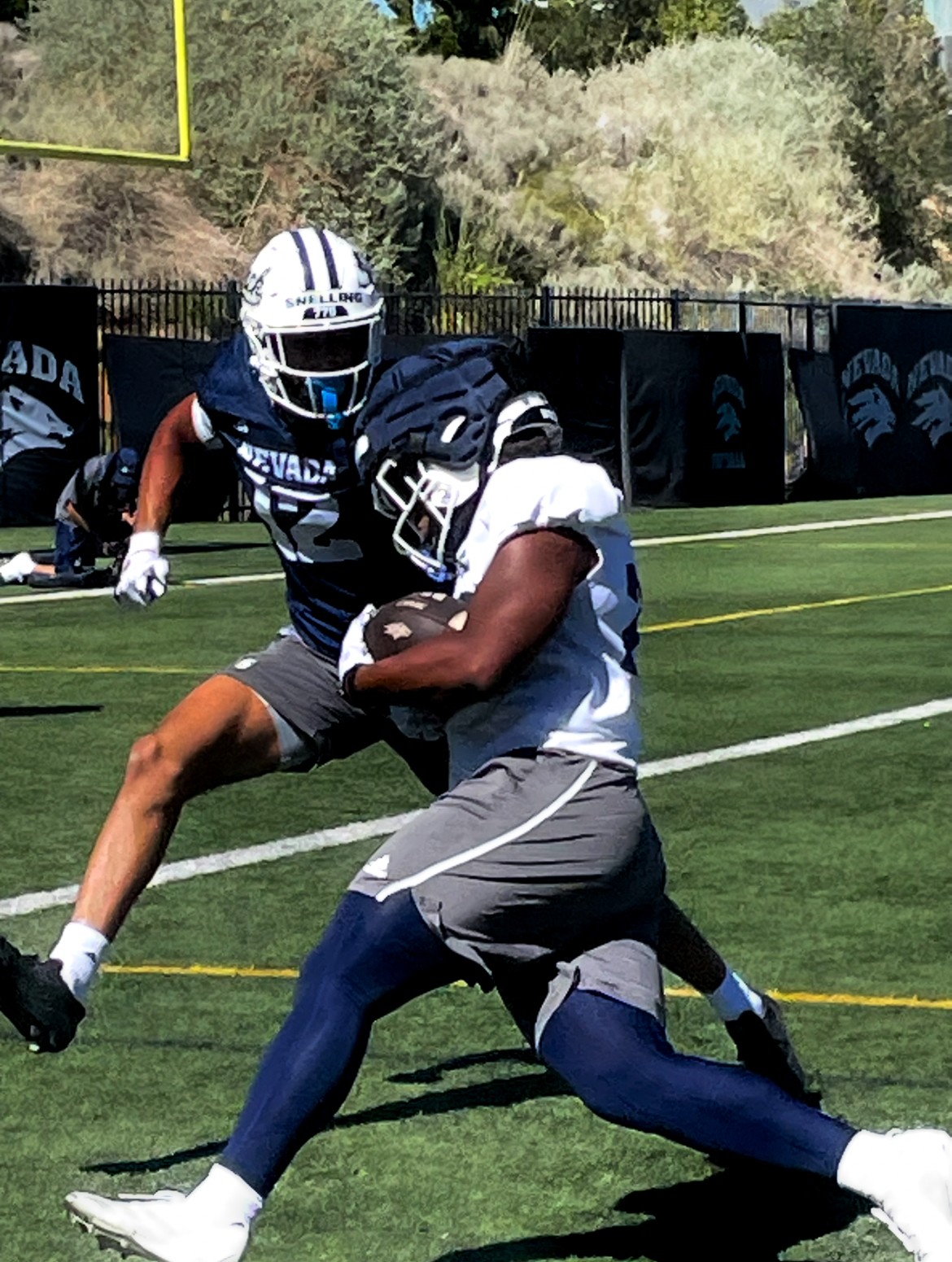
Chris Gomez, a senior at Hug High School and No. 21 on the Hug Hawks football team, says conversations about concussions and CTE are part of the daily routine on and off the field.
“Our coach brings it up almost every day,” Gomez said. “We focus on minimizing head impacts through proper technique, and that’s included in every drill we do. It’s part of the culture, along with the use of protective equipment.”
The heightened awareness around head injuries has made Gomez more open to speaking up when he experiences symptoms, putting the safety of his teammates and himself first.
“I’d rather be the one to sit out than risk hurting someone else by playing angry or hurt,” he said.
Gomez believes that while some players see injuries as letting their team down, the long-term risks are too serious to ignore.
“I personally think it’s a matter of your mental state. A lot of guys see their injury and think they’re letting the team down, ya know?” Gomez said. “But injuries are serious, it could eventually lead to disabilities. So I don’t think there’s pressure on players to ‘tough it out’ anymore.”
While sitting out can be difficult, Gomez says he would rather miss a few games than face the lifelong consequences of CTE.
As tragic cases like Shane Tamura’s continue to spark national conversations about CTE and mental health, athletes at both the college and high school levels are beginning to reflect more deeply on the risks involved in the game they love. While scientific understanding of CTE is still evolving, the lived experiences of players like Maldonado and Gomez show a cultural shift in football — a growing willingness to prioritize long-term health over short-term glory. As awareness spreads and safety measures improve, the future of the sport may depend not only on better equipment, but on changing the mindset that toughness means staying silent. For many young athletes, the new definition of courage might just be speaking up.
The potential dangers of CTE have even made Gomez question the future of his involvement in football —and whether he’d let his own kids play the sport one day. Still, the love for the game keeps him going.
“I definitely want to avoid injuries or CTE as much as I can,” he said. “But my motto is: do the thing you wanna do, because we only live once.”
This article was written by incoming first-year University of Nevada, Reno student, Dean’s Future Scholar and Noticiero Móvil 2025 summer intern Eveny Martínez.

Five reasons why outdoor running helps deal with online zooming

Hawk Fire leaves Reno family grieving, rebuilding and questioning evacuation alerts

Job Corps has been saved — for now
About The Author

Noticiero Movil
Managing Editor of Noticiero Móvil