How the Trompo Became a Mexican Icon
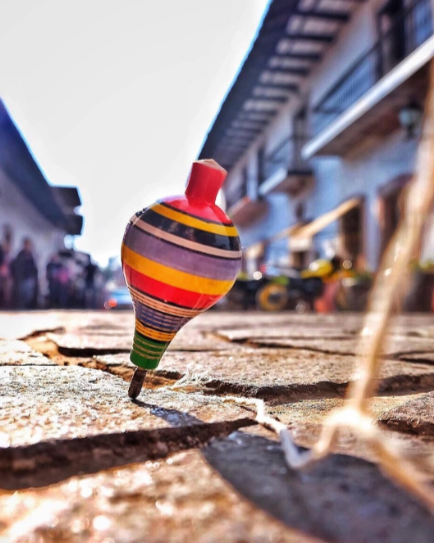
Few toys capture attention quite like a trompo. At first glance, it’s simple, a wooden top wrapped in string and tipped with metal, but once the string is wound and the top is thrown, it comes to life, spinning and gliding across the ground as children watch.
While it is closely linked to Mexican childhood, the toy has a much longer history that stretches far past the country’s borders. The story of the trompo is part of a global history of spinning tops, cultural exchange and explains how simple objects can become part of everyday life.
The Origins of the Spinning Top
Spinning tops are among the oldest toys that people have ever used. Archaeologists have found examples as far back as 3000 to 4000 BCE. Tops made of clay, bone and wood have been discovered in ancient Egypt, Greece and Rome.
Tops appeared in different societies independently. They were easy to make, fun to play with and brought new challenges for skill and coordination. When spun, these tops would stay upright for a surprisingly long time, even though at the time the science behind it wasn’t understood. The simple combination of motion and balance fascinated people everywhere.
Spinning Toys in the Americas Before Colonization
Before Europeans arrived, spinning toys were already part of life in the Americas. Pre-Hispanic Mesoamerica created spinning objects; these early toys were not exactly like modern string-wound trompos, but they relied on the same basic idea of motion and balance.
How European Designs Shaped the Trompo
In the 16th century, Spanish colonizers brought European-style tops to Latin America. These tops were carved from wood and spun with a wrapped string. Over time, this string-wound design became the most common form of the toy.
Local craftsmen made adjustments based on materials and local preferences. They added metal tips to make the tops last longer and spin more steadily. Different types of wood affected the weight and balance of each top. These changes, combined with local techniques, eventually created the trompo as it is recognized today.

By the 18th and 19th centuries, string-wound tops were played across Latin America. They had different names, including trompo, trompito and peonza, but the way children played with them was similar. Communities often developed their own rules, competitions and tricks to test skill and precision.
Why the Trompo Became Popular in Mexico
The trompo became particularly popular in Mexico during the late 19th and early 20th centuries. As towns grew and markets expanded, small wooden toys became more widely available. The trompo was inexpensive, so children from different social classes could play with it.
It also fits easily into daily life. Children could play anywhere, on streets, in plazas, or in courtyards. It didn’t require a big team, a field, or any special equipment. One top and a string were enough to start a game.
By the mid-20th century, the toy had become a familiar part of Mexican homes. Photographs and cultural reports from that time show children challenging each other to see whose top would spin the longest, knock out other tops, or perform tricks like catching the top in hand.
Even after plastic versions appeared in the 1960’s, wooden tempos remained popular because of their feel and balance. Learning to spin a trompo was often passed down from older siblings, cousins, or friends.
Trompo as Part of Mexican Culture
Over time, the trompo evolved past being just a toy. It became part of Mexican childhood and daily life. Its affordability meant it could reach rural and urban areas alike and children in both settings played with it in similar ways.
The trompo also encouraged social interaction. Playing was not a solo activity. Children competed, learned from each other and sometimes had to resolve disagreements over rules or turns.
Today, the trompo continues to appear in discussions about traditional Mexican games. Artisans still produce wooden versions, and cultural festivals sometimes showcase spinning demonstrations.
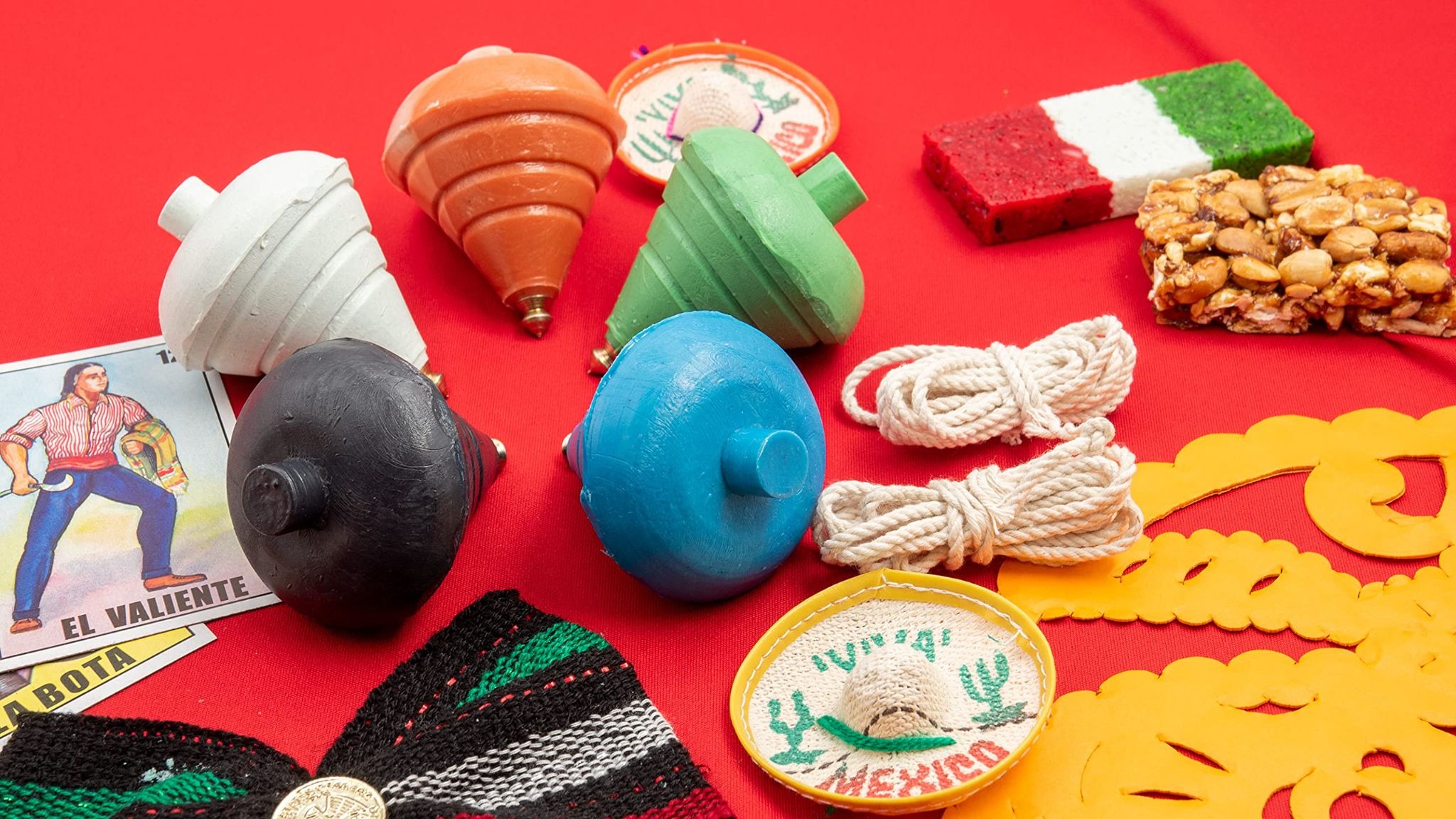
Spinning tops existed in many civilizations long before the trompo became popular in Mexico. What made it distinctive was how it was adopted locally. Indigenous practices, European design and everyday community gatherings all shaped the toy
Children today continue to spin wooden trompos in the same way as past generations. The toy demonstrates how a simple object can move across different cultures, be modified over time and maintain its role in everyday life.
This article was written James Perez.
UNR provides academic support and more for DACA and undocumented students

How COVID-19 will impact Latino children and families in the long term

What Women Worry about When They’re Out at Night
About The Author

Noticiero Movil
Managing Editor of Noticiero Móvil