
Police Surveillance in Reno: What are Automated License Plate Readers?
Under President Donald Trump’s mass deportation campaign, law enforcement and border surveillance have captured public scrutiny. One such technology is automated license plate readers (ALPRs).
ALPRs are cameras that capture the license plate numbers of all vehicles within their field of view, along with the location, date and time of capture.
They can be mobile or stationary, mounted on street poles, streetlights, overpasses, or affixed to police cars. Further information collected includes photographs of the vehicle and the car’s make.
This information is stored in a searchable database and may be retained for up to five years in some cases.
The Reno Police Department (RPD), for example, has a 30-day data retention policy.
Law enforcement can then use this data to track a vehicle’s travel history and identify the driver’s most frequented areas. It can also determine whether cars are linked.
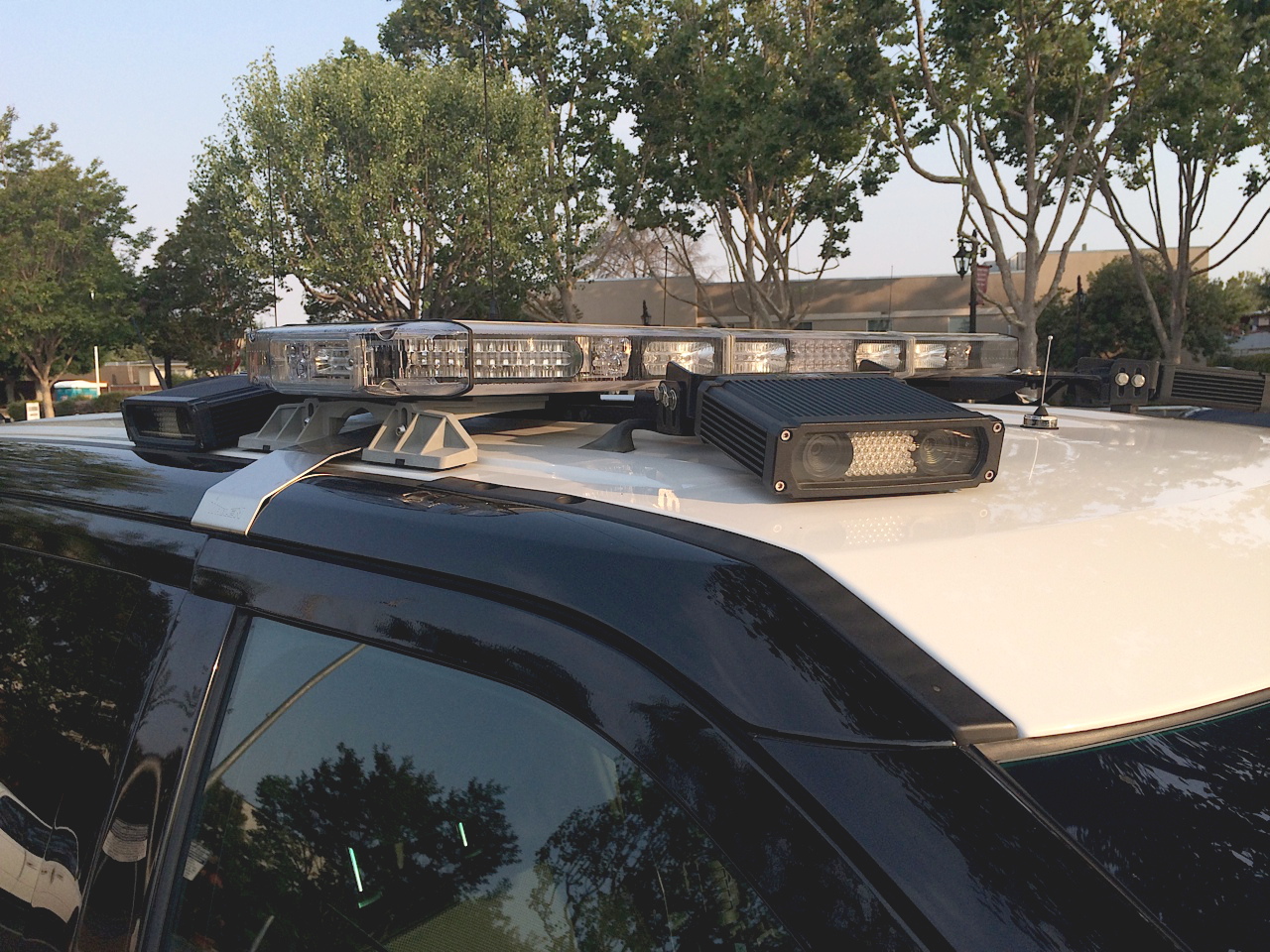
Key vendors in the ALPR space include Flock Safety and Motorola’s Vigilant solutions, but there are many others. Flock Safety, in particular, has become synonymous with ALPR technology and has found itself in hot water for shadily sharing data with federal agencies such as Immigration and Customs Enforcement (ICE).
In 2024, the city of Reno approved a $450,000 pilot program that will use cameras and AI technology to “strengthen public safety” downtown.
According to This is Reno, the City of Reno is denying public records requests related to Flock Safety data and has previously opposed sharing the cameras’ location.
RPD has 45 logged Flock Safety ALPRs and other cameras shared with around 300 other law enforcement agencies, some of which are across the country. Prior to Flock Safety, RPD used Vigilant Solutions to share data with various agencies, including DHS-HSI-New Orleans and other law enforcement agencies nationwide.
In contrast with Vigilant Solutions, many agencies shared information with ICE, some allegedly without knowing it.
It is unclear at this time whether ICE has access to Reno’s existing data. RPD’s policy states that they should not share information for immigration purposes.
While law enforcement claims this tool is effective at tracking criminals, the technology also poses significant risks of misuse.
In Aurora, Colorado, a Black family was detained and handcuffed after ALPR data mistakenly showed Aurora police officers they were in a stolen car.
In Virginia, the State Crime Commission found that multiple law enforcement agencies were not complying with new ALPR statutes that would restrict data retention and sharing. Nine were found still sharing data with federal agencies.
In Johnson County, Texas, law enforcement used Flock ALPR data to track a woman who had just had an abortion. Claims from authorities asserted that they were searching for the woman as a “missing person.”
Documents obtained by the Electronic Frontier Foundation found that the initial purpose of the investigation was the alleged death of a “non-viable fetus,” where a man told officers that he believed a local woman had an abortion.
EFF has cited other cases of misuse: using ALPR data searches to track attendees at protests, targeting people accessing out-of-state medical care, or asking discriminatory, biased questions in the database.
One major case of misuse is sharing data with federal agencies.
The San Francisco Police Department was one such agency caught sharing its data with federal agencies.
According to EFF, reporters found that at least 19 searches run by these agencies were marked as related to ICE. This data sharing violated California law, stating that a public agency “shall not sell, share, or transfer ALPR information, except to another public agency, and only as otherwise permitted by law.”
There are no federal laws that dictate or govern how law enforcement agencies may use ALPRs. The statutes that govern how law enforcement may use this technology typically fall to the states.
Public concerns have arisen regarding the Fourth Amendment’s protections against unreasonable searches and seizures. As of 2025, no federal appellate court has ruled on whether searching the ALPR database constitutes a Fourth Amendment search.
Federal trial courts and some state courts have allowed law enforcement to conduct these searches, with the caveat that warrantless surveillance may violate the Fourth Amendment. The law governing ALPRs still requires congressional legislation and a legal foundation beyond individual states.
In Nevada, there are no statutes that explicitly address ALPRs and privacy issues.
As of 2022, only 16 states nationwide have adopted such statutes.
This article was written Malory Shaw.

WCSD using federal COVID-19 funds for summer school program

Advocates fear thousands are unaware of child tax credit eligibility
How newly naturalized U.S. citizens in Nevada can sway the 2024 election
About The Author

Noticiero Movil
Managing Editor of Noticiero Móvil