Q&A: How do Washoe County Librarians Combat Book Challenges?
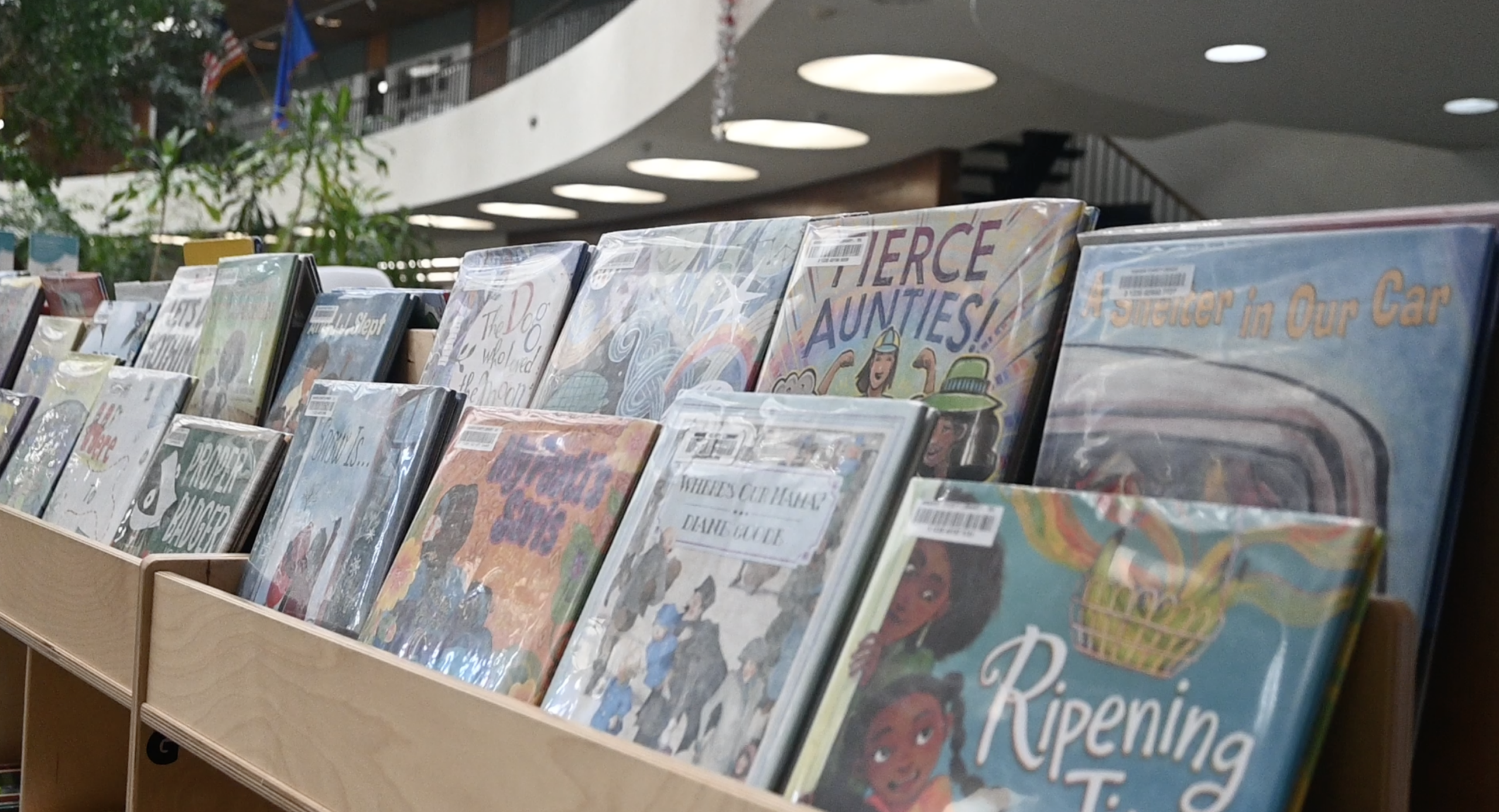
Book bans are nothing new. From longstanding challenges over controversial texts to more recent disputes over titles centered on race, gender identity and Lesbian, Gay, Bisexual, Transgender, and Queer or Questioning (LGBTQ) themes, debates over what belongs on library shelves have persisted for decades.
In Washoe County, these conversations resurfaced in 2023, when a wave of challenges brought new attention to how libraries balance access, representation and community concerns.
Debbie Steers, collection development manager for Washoe County Library, plays a central role in that process, overseeing the selection and curation of physical and digital materials across the system.
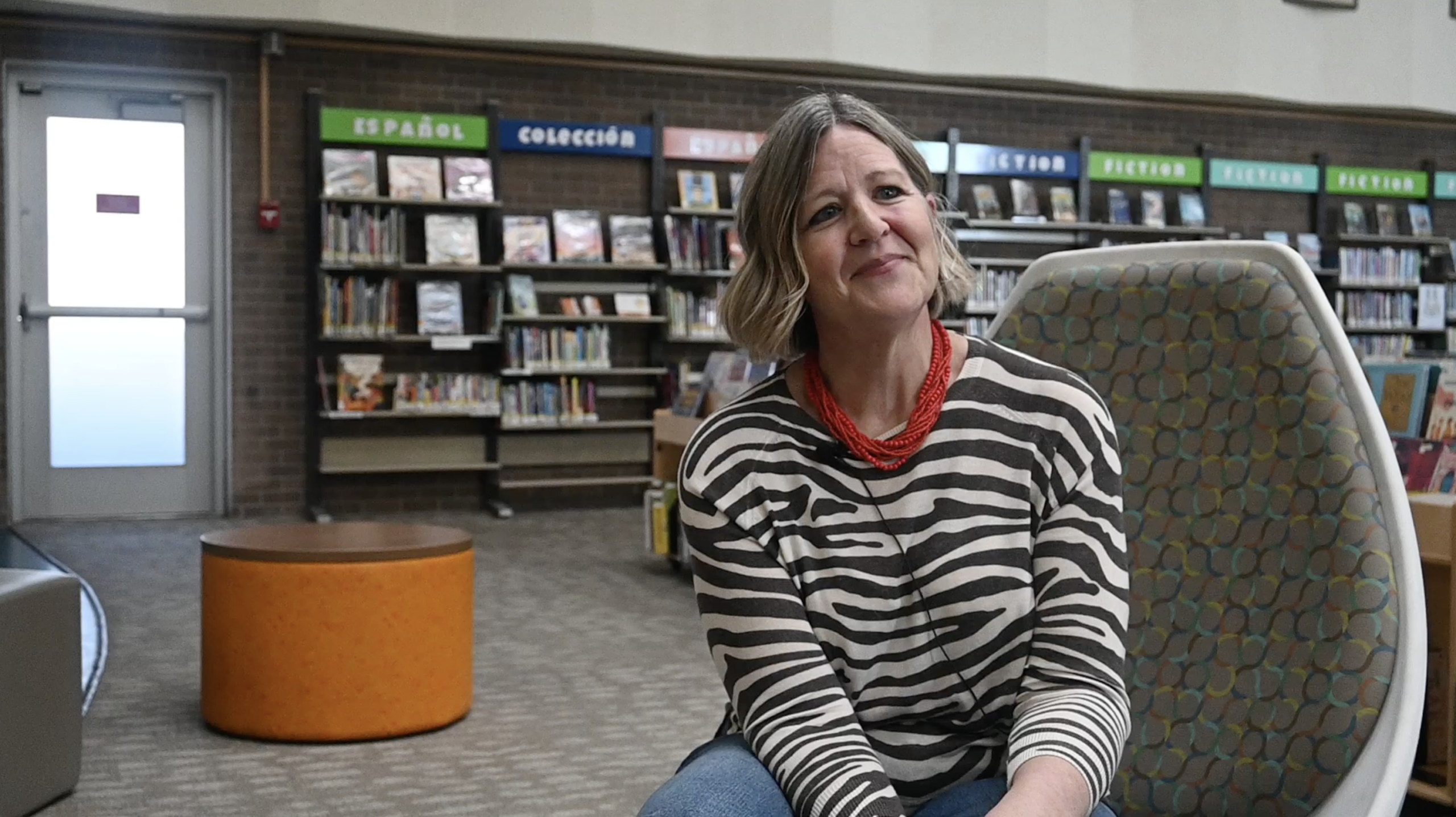
James Perez: How long have you been in this role?
Debbie Steers: Eleven years. It is wonderful. I love to connect with the community – we have a wonderfully diverse community – and getting to provide materials that meet their needs and interests.
Perez: What trends are you seeing in book challenges?
Steers: What we’re seeing right now is concern about gender identity. The books that have been challenged, both locally and nationally, tend to be those about LGBTQ people and minority authors, so representation, giving voice to minority groups and their place in the community.
Perez: What are the main concerns being raised about these books?
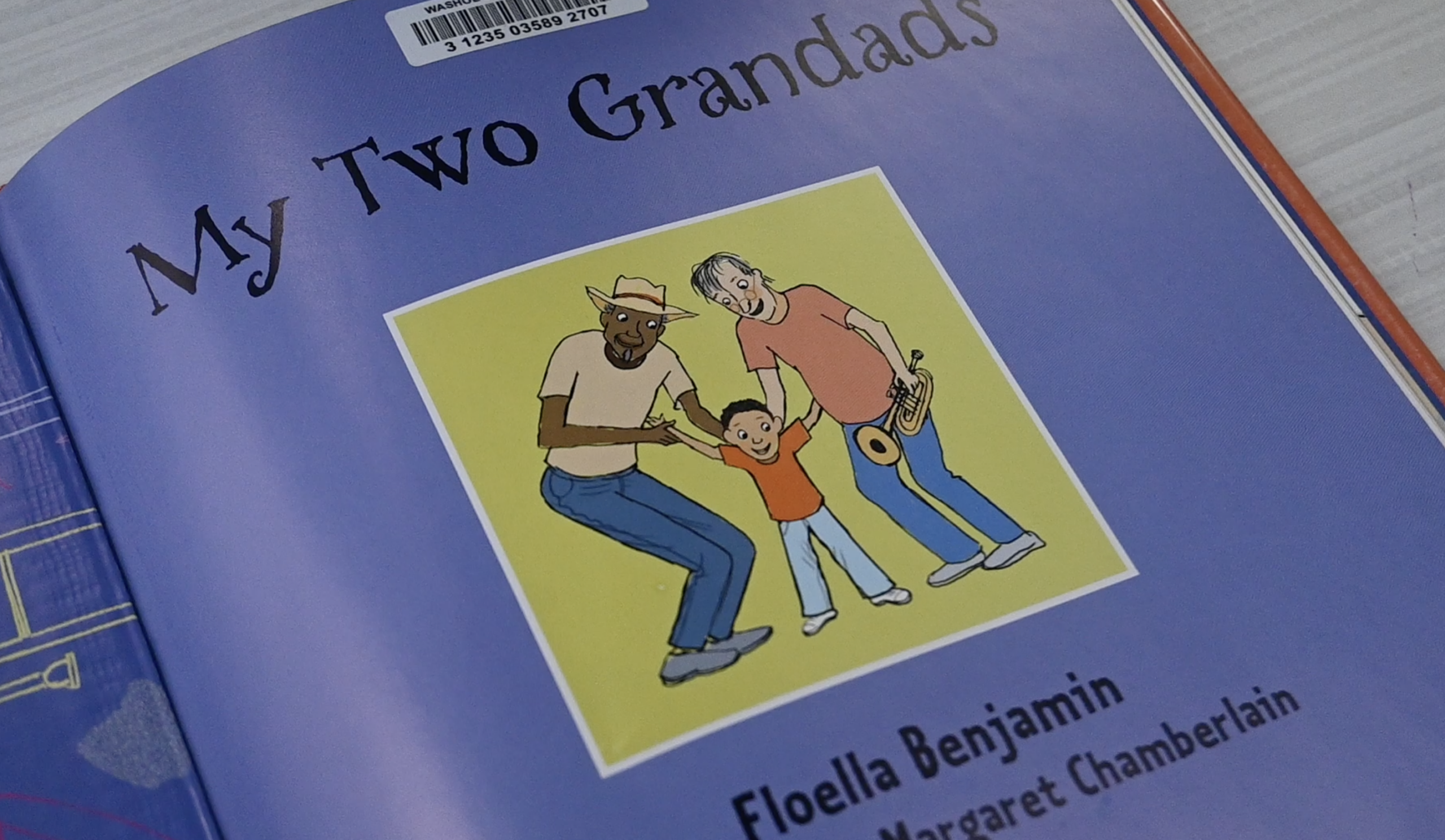
Steers: The language that we have seen in the challenges is the claim that these books are obscene and not appropriate for children. When we look at the work, part of that challenge process is we look at the work in its entirety. There is no obscenity. When you talk about a book with two fathers in it, there is no sexualization. It is just representing the different forms and shapes that families take, and we see that all throughout our community.
Perez: How does the library respond to those challenges?
Steers: If you disagree with an item, you can submit a request for reconsideration. That form comes to me, and I start the process. I call the person, hear their concern, explain the process, read the work in its entirety, look at professional reviews, and evaluate demand. The question is whether we followed our collection development policy, and then I share those findings.
Perez: Do personal opinions ever affect whether a book stays in the collection?
Steers: We have a policy that we always fall back to, and we can’t allow our own personal viewpoint to get in the way of allowing access for everyone in the community. There are books that I don’t like, but I will defend your right to read them. It doesn’t matter if I like a particular book or I don’t.
Perez: How important is representation in books, especially for diverse communities?
Steers: It is incredibly important to be able to see yourself in books. Publishing has really caught up with that. We had a parent of a disabled child come in and say they found a picture book with a child with their same disability represented. They didn’t know such a thing existed, and had no idea how impactful it would be. That’s something everybody in our community deserves, the chance to be seen and heard.
Perez: How do book challenges impact those communities?
Steers: We hear from patrons all the time that the library is a safe place, to see themselves represented, to have a voice, to know that they count in our community. It really makes a difference in people’s lives.
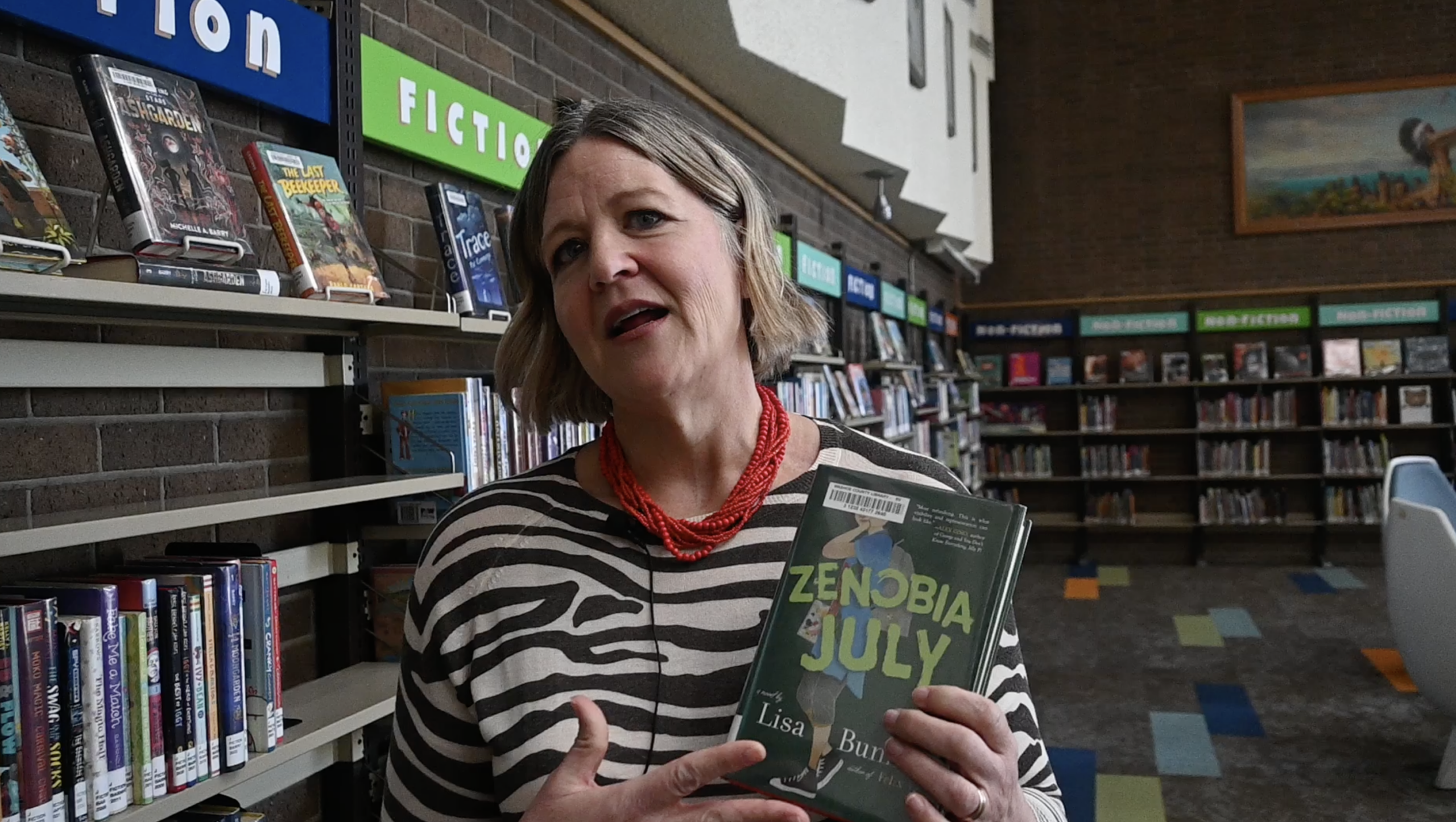
Perez: Are there any challenged books that stood out to you personally?
Steers: “Looking for Alaska,” I hadn’t read until it was challenged, and I thought it was such an incredible story of being a teenager and realizing I am responsible for making my own choices and may have to live with those consequences.
I would also say probably the most impactful read I had was “Gender Queer,” which is a graphic novel about being nonbinary. It was a very personal story, and I felt like it was such a safe and gentle way to explore a concept that was fairly new to me. I felt like I got real growth out of reading it.
Perez: Do you expect more book challenges moving forward?
Steers: Our last book challenges were in the fall of 2023, so I’m hopeful that was isolated. It feels like we’ve returned to normal, where sometimes people question something in the collection, but it becomes more of a one-on-one conversation.
Perez: Are there concerns beyond the local level?
Steers: Even though things feel calmer locally, we do look nationally. There are bills being proposed that could affect access to books. It’s important that we protect First Amendment rights so every person has the opportunity to discover themselves in books.
Perez: What message do you want people to take away?
Steers: Books are not to be feared. You can learn so much, whether you agree with a book or approach it with skepticism. We gain understanding from books, how we understand the world and our neighbors.
This article was written James Perez.

UNR advises students to take precautions against Coronavirus

Meet Gil Velazquez, the new Reno Aces manager
Latina takes on Lake Tahoe this Summer to break world record for swimming
About The Author

Noticiero Movil
Managing Editor of Noticiero Móvil