
Beyond La Selva: How a Biological Research Station in Costa Rica Impacts Its Own Community (video)
PUERTO VIEJO DE SARAPIQUI, COSTA RICA- Deep in the heart of Costa Rica’s tropical rainforest — one of the most biodiverse on Earth — lies a place that was no exception: La Selva Research Station.
The origins of the a non-profit organization La Selva can be traced back to the establishment of the Organization for Tropical Studies (OTS), or in Spanish, the Organización para Estudios Tropicales (OET). It was founded in 1963 as a joint effort between the University of Costa Rica (UCR) and the University of Southern California (USC). There was a growing understanding that Costa Rica contained a lot of natural biodiversity and that there was a need idea to facilitate research efforts in the region by inviting researchers both in-country and from the United States.
OTS bought the land La Selva Biological Station sits on from Leslie Holdridge, who purchased this section of tropical jungle back in 1953. At first they started the station with a few buildings that would launch decades of research to come.
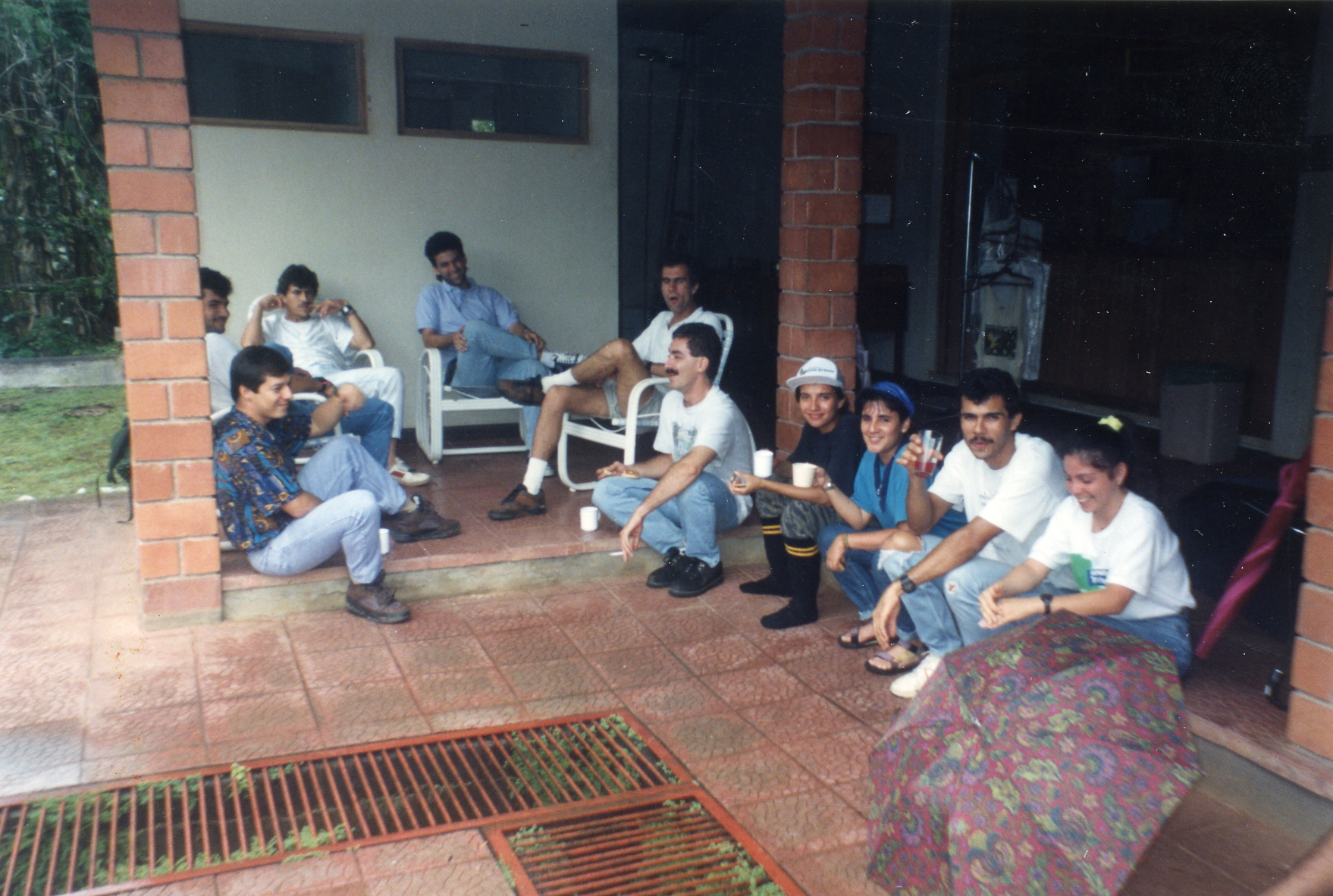
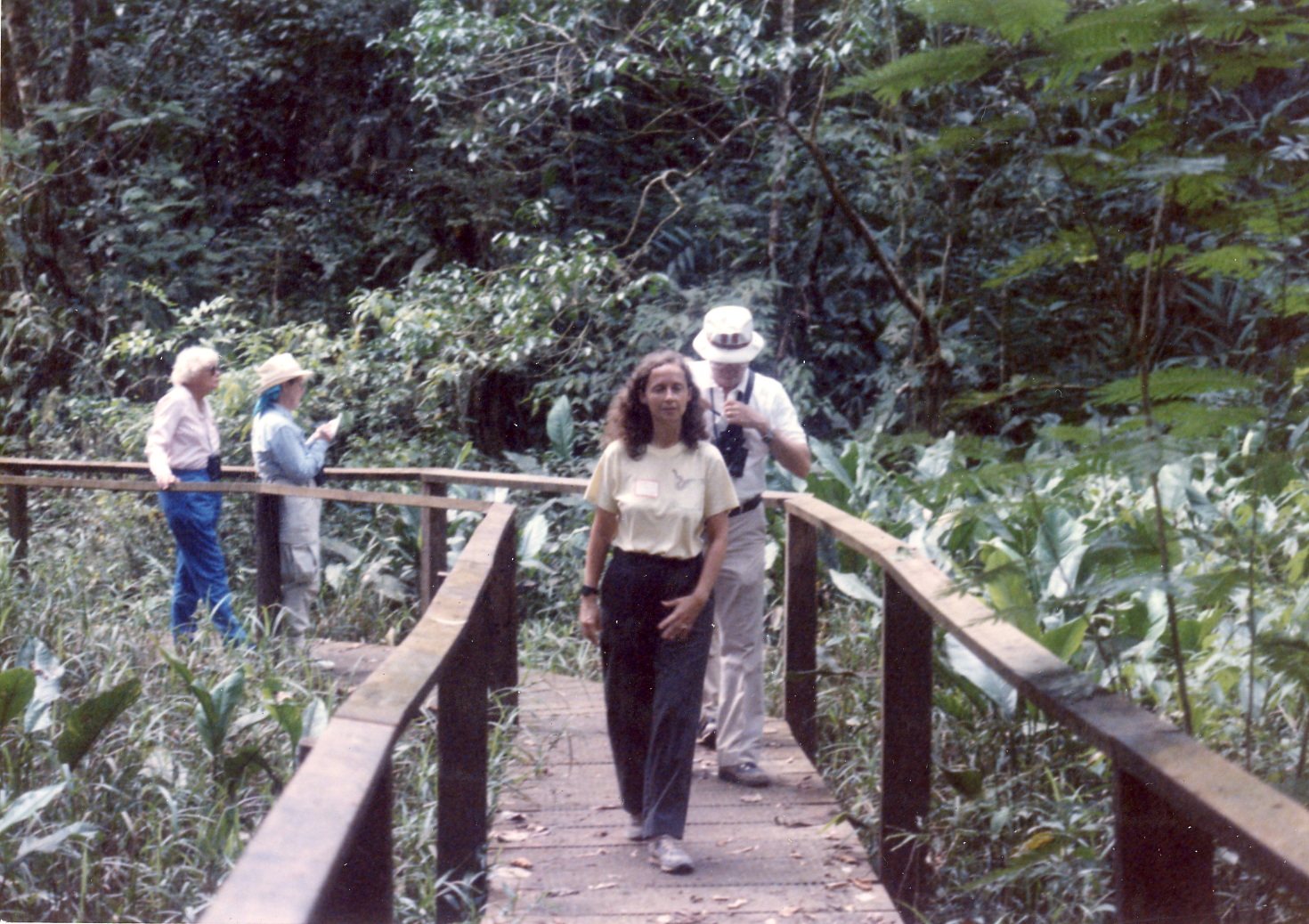
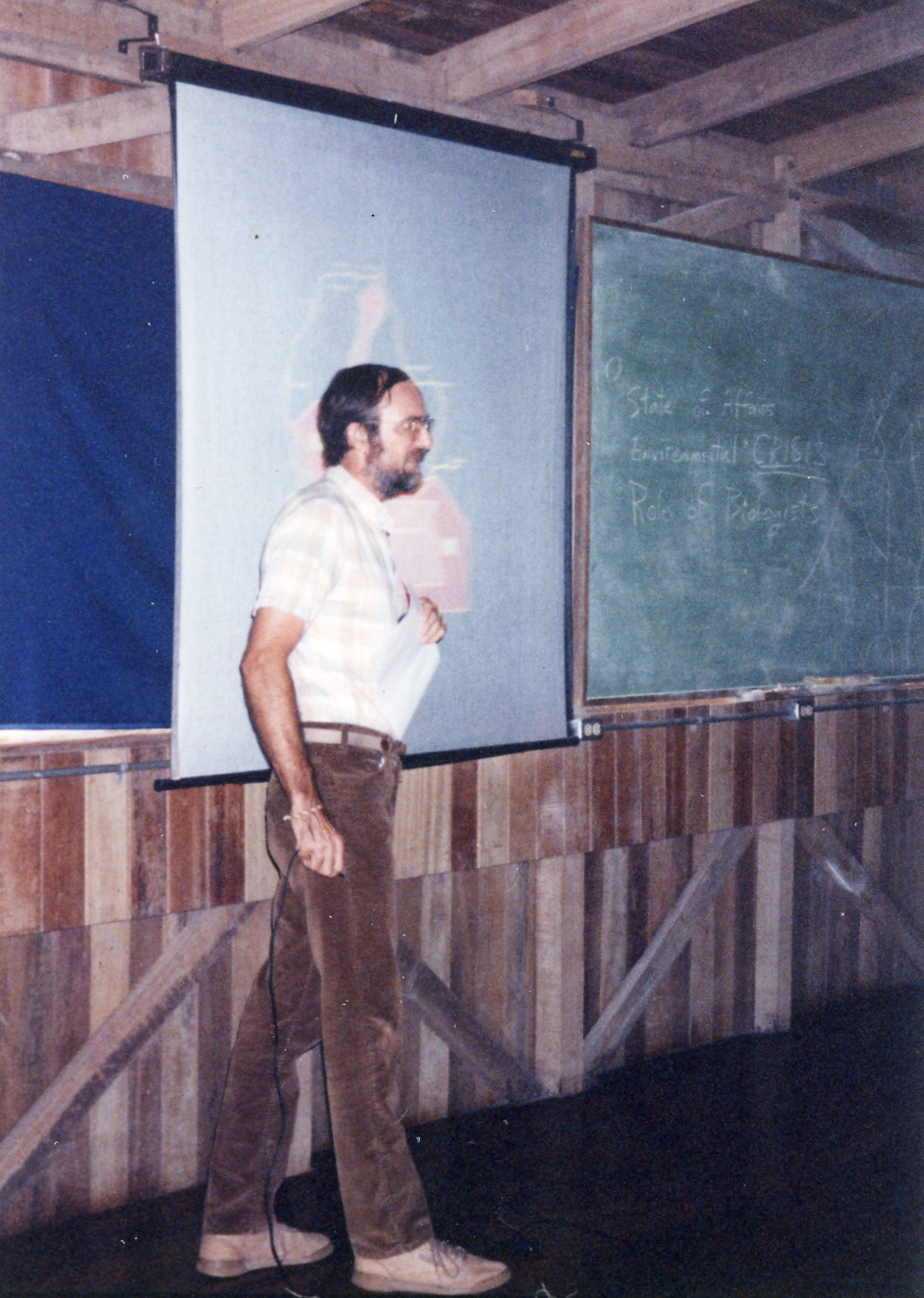
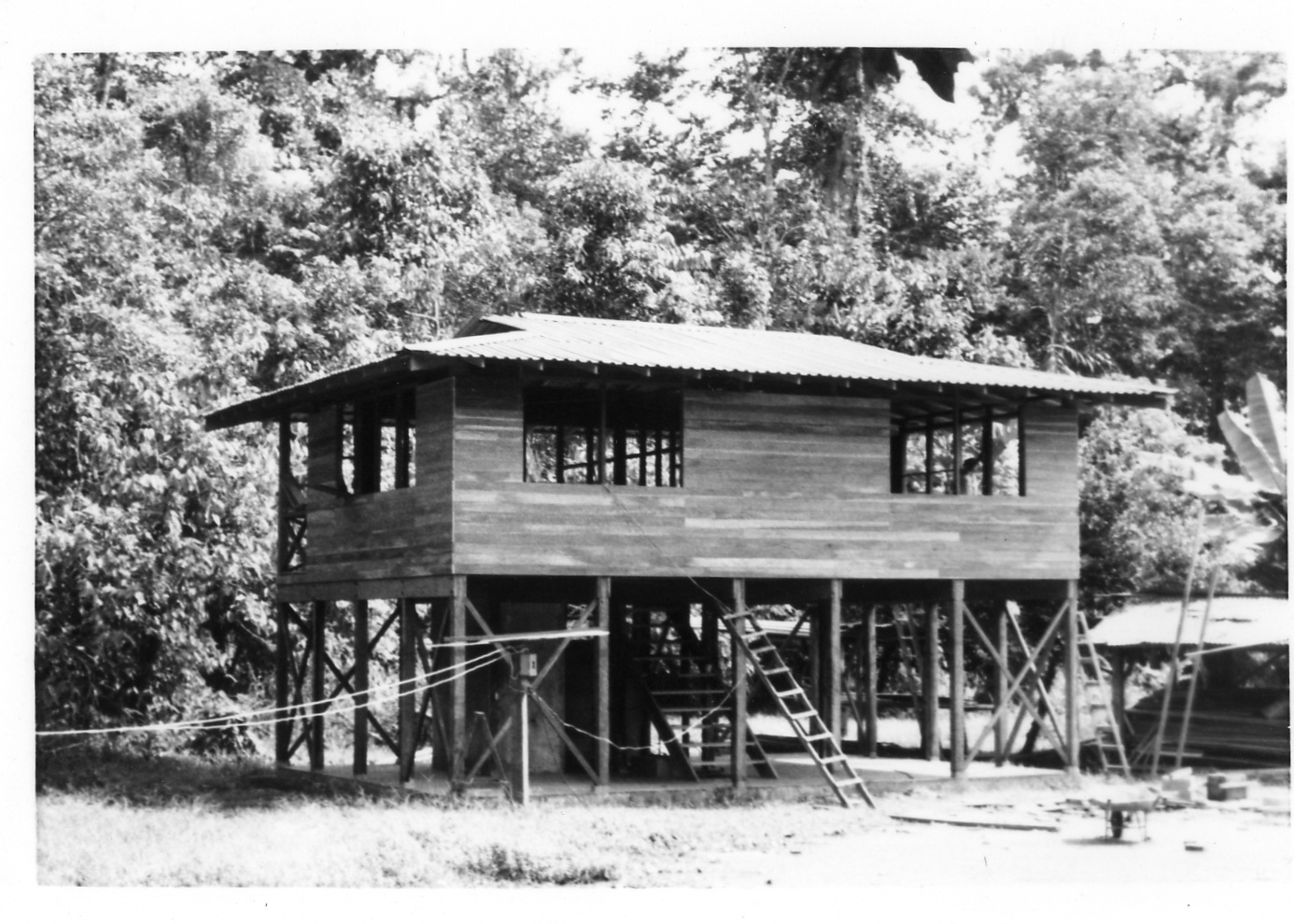
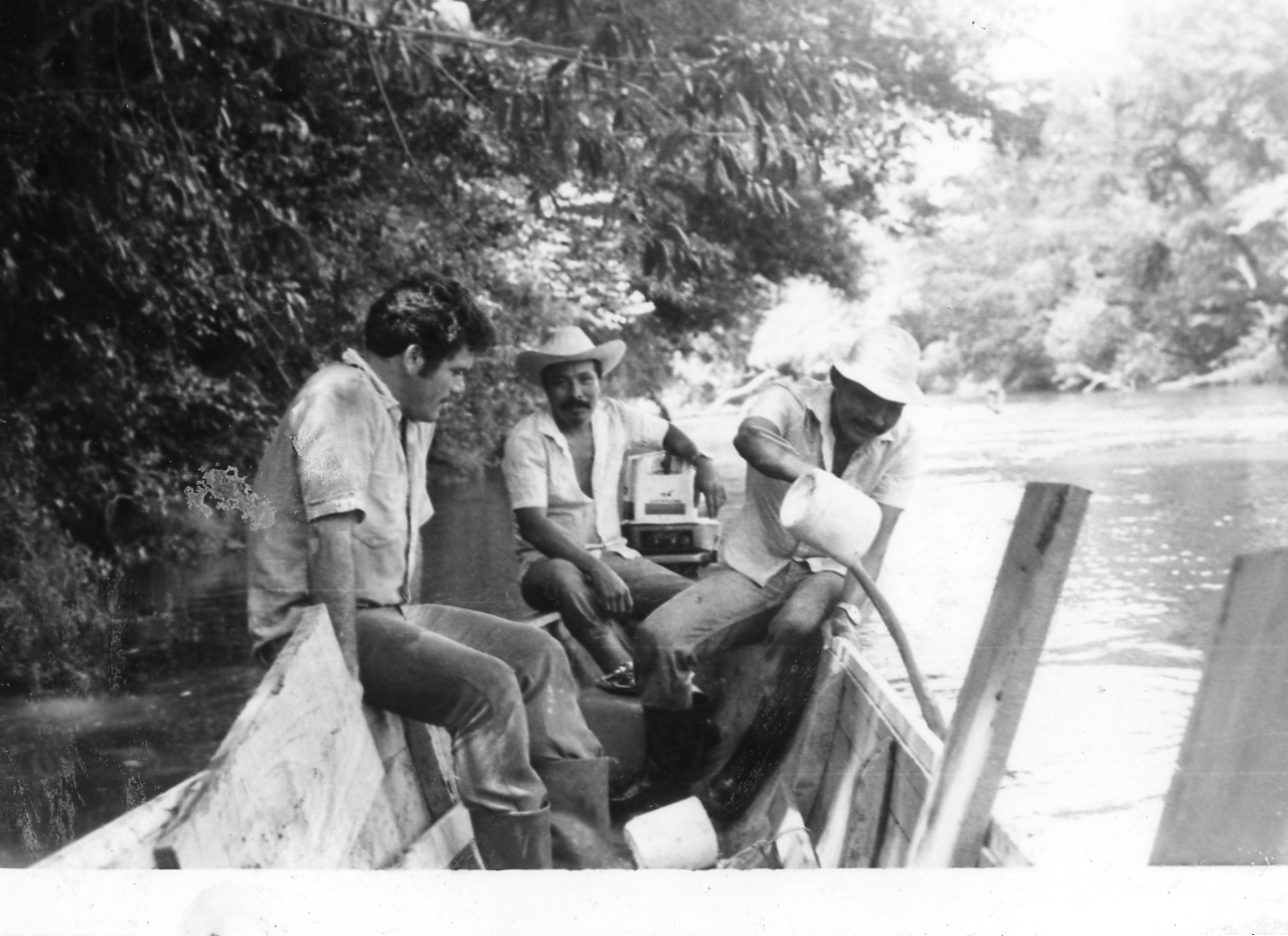
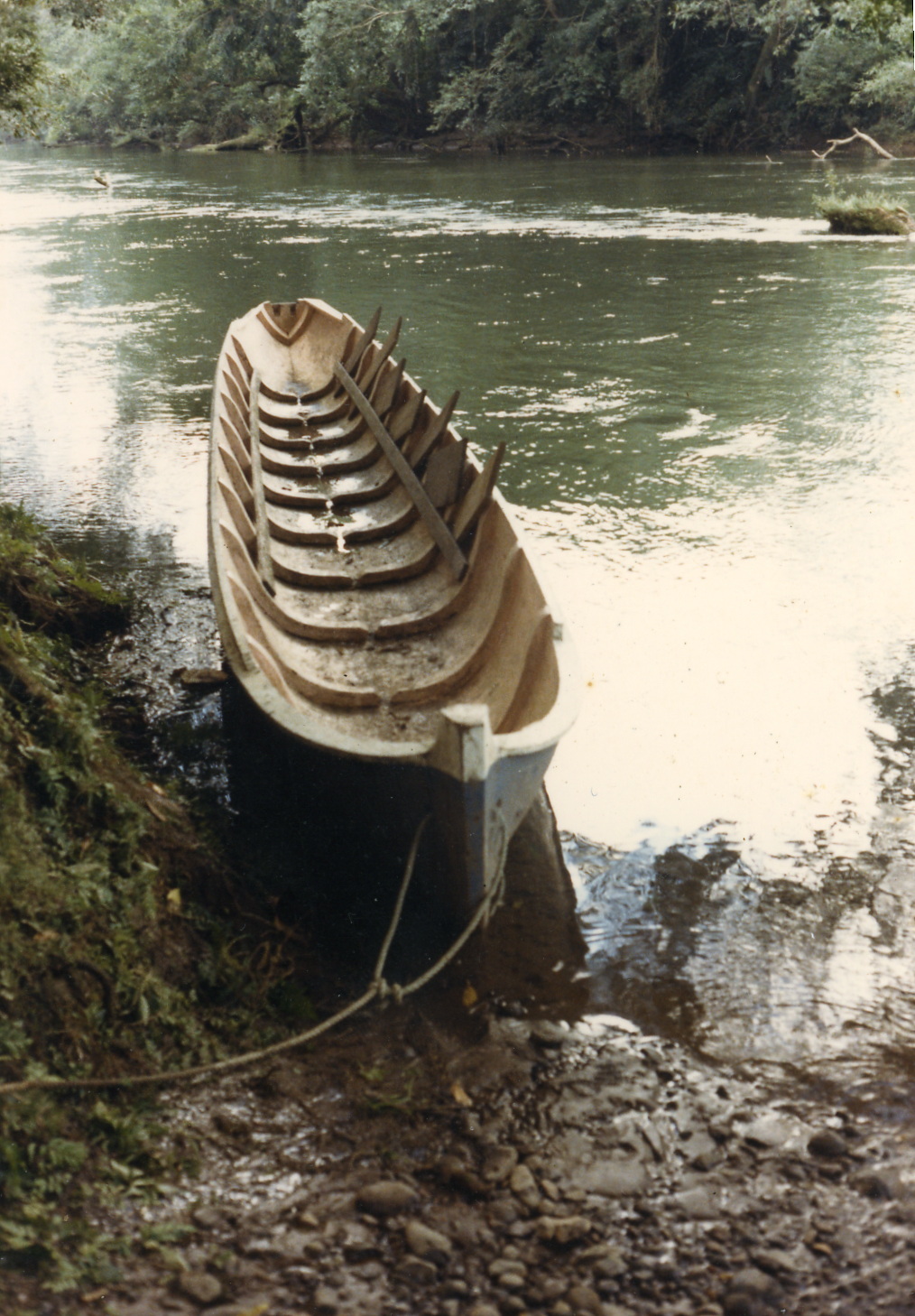
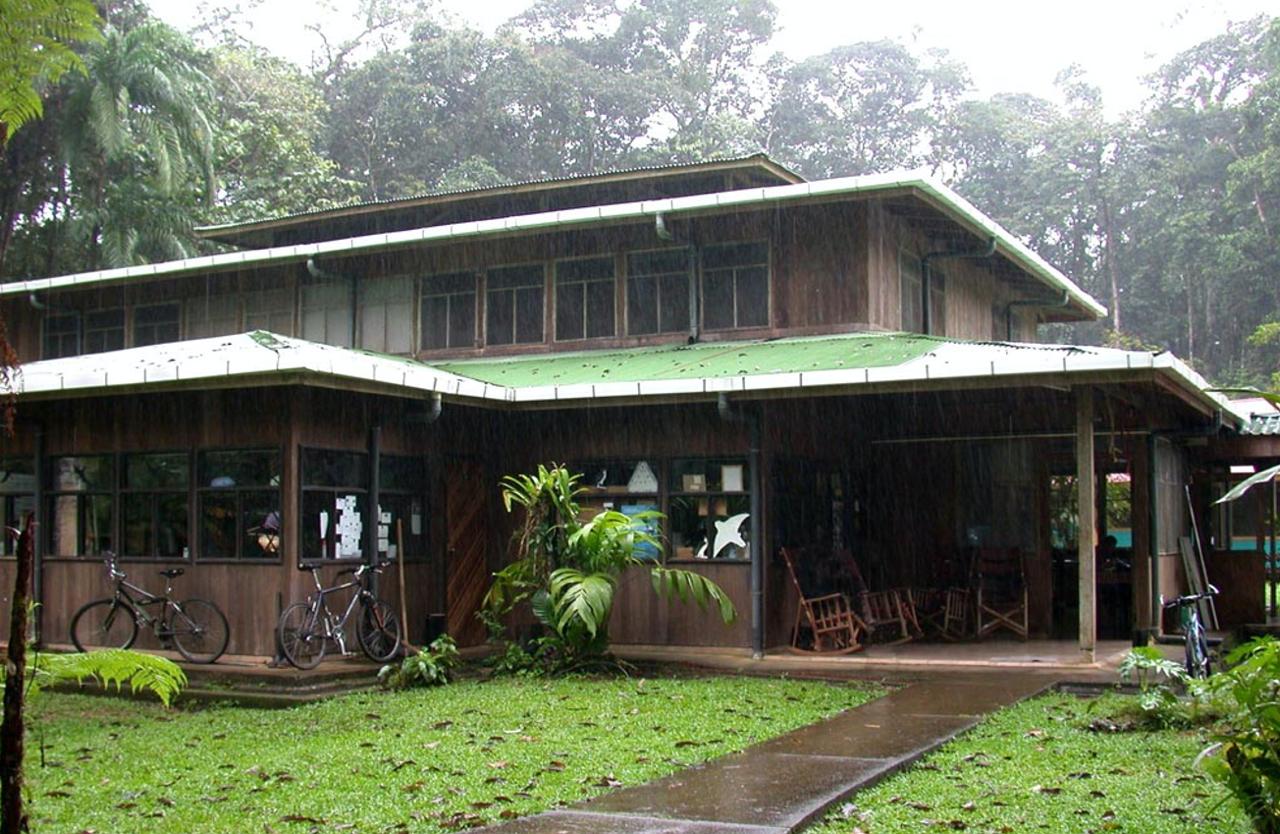
Nowadays, La Selva serves as a prominent example for research stations around the world that have studied nature and that attempts to engage the public on their discoveries — including educating and employing people living near the areas where they operate.
La Selva’s rich biodiversity and increasing accessibility have made it a popular destination for people all over the world. When you’re here, you will be captivated by its beauty because chances are, you might have never seen anything like it.
Don Isaías Alvarado Díaz
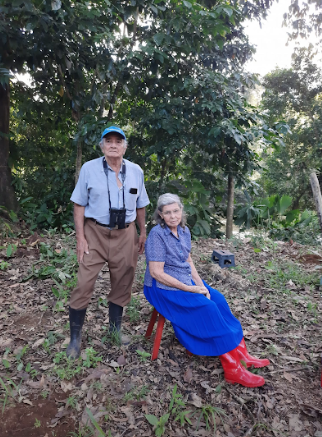
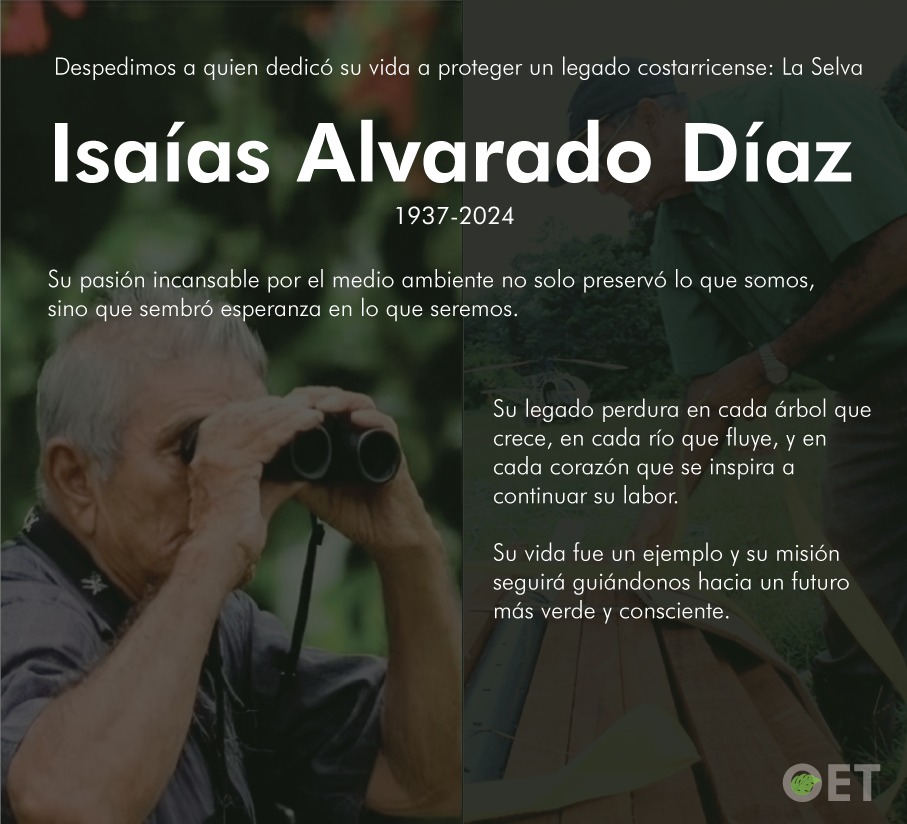
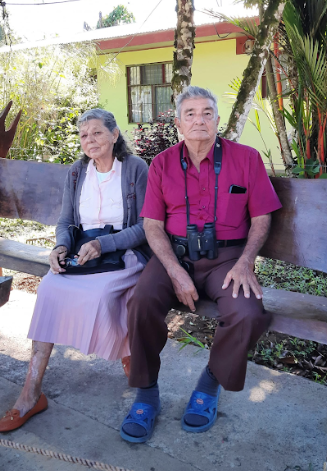
The heart of La Selva has a hole shaped like Don Isaias. While he passed away in 2024, he was very passionate about the work done there — you could say he was La Selva.
According to those who knew him, Don Isaias would know what trees would fall days in advance as the the spirit of the jungle coursed through his veins. What he meant to La Selva will never be forgotten.
“His legacy will live in every tree that grows, every river that flows, and in every heart inspired to continue his work,” according to an homage on the OTS website. Every single building that stands at La Selva was at one point in the hands of Don Isaias
Humberto “Beto” García
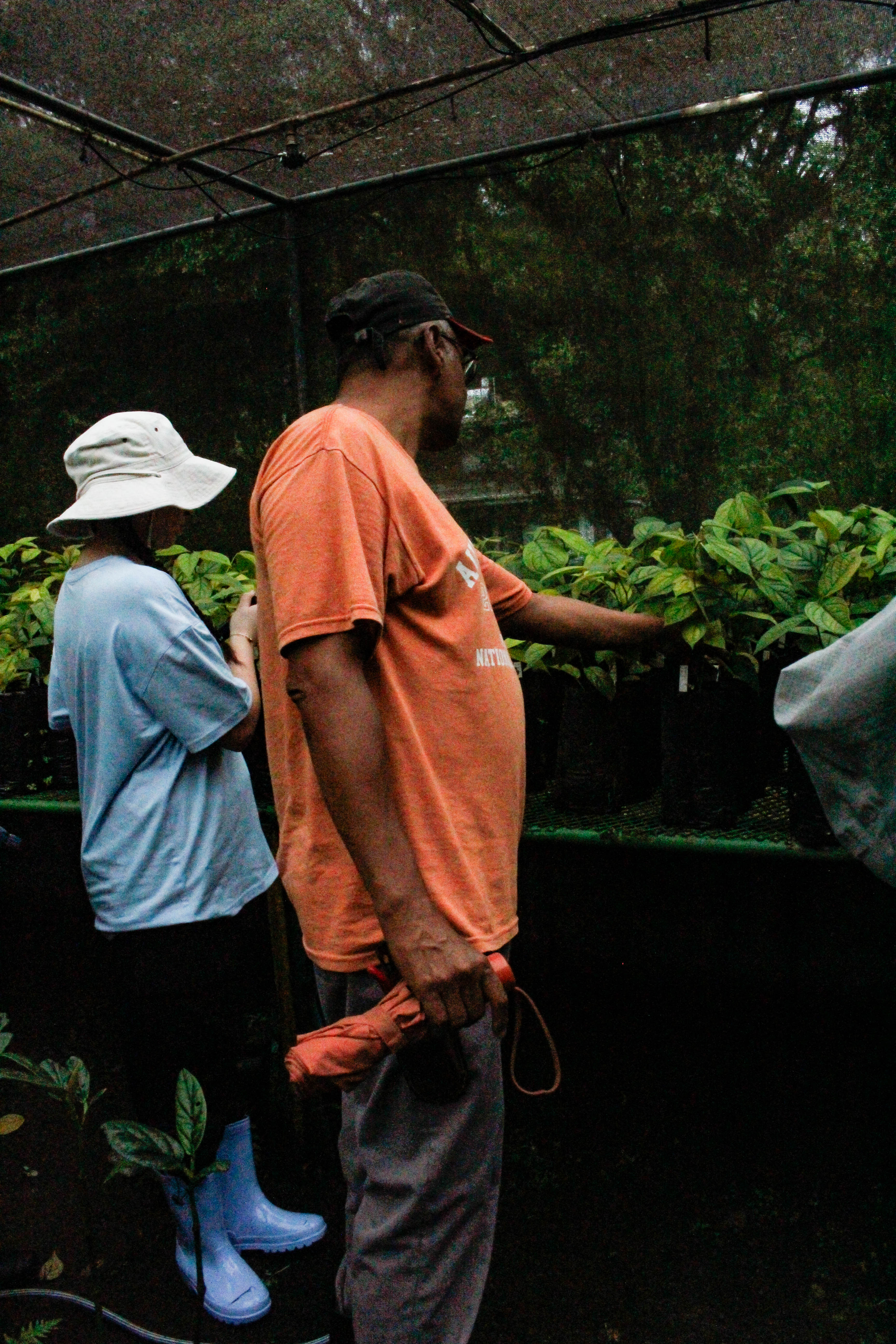
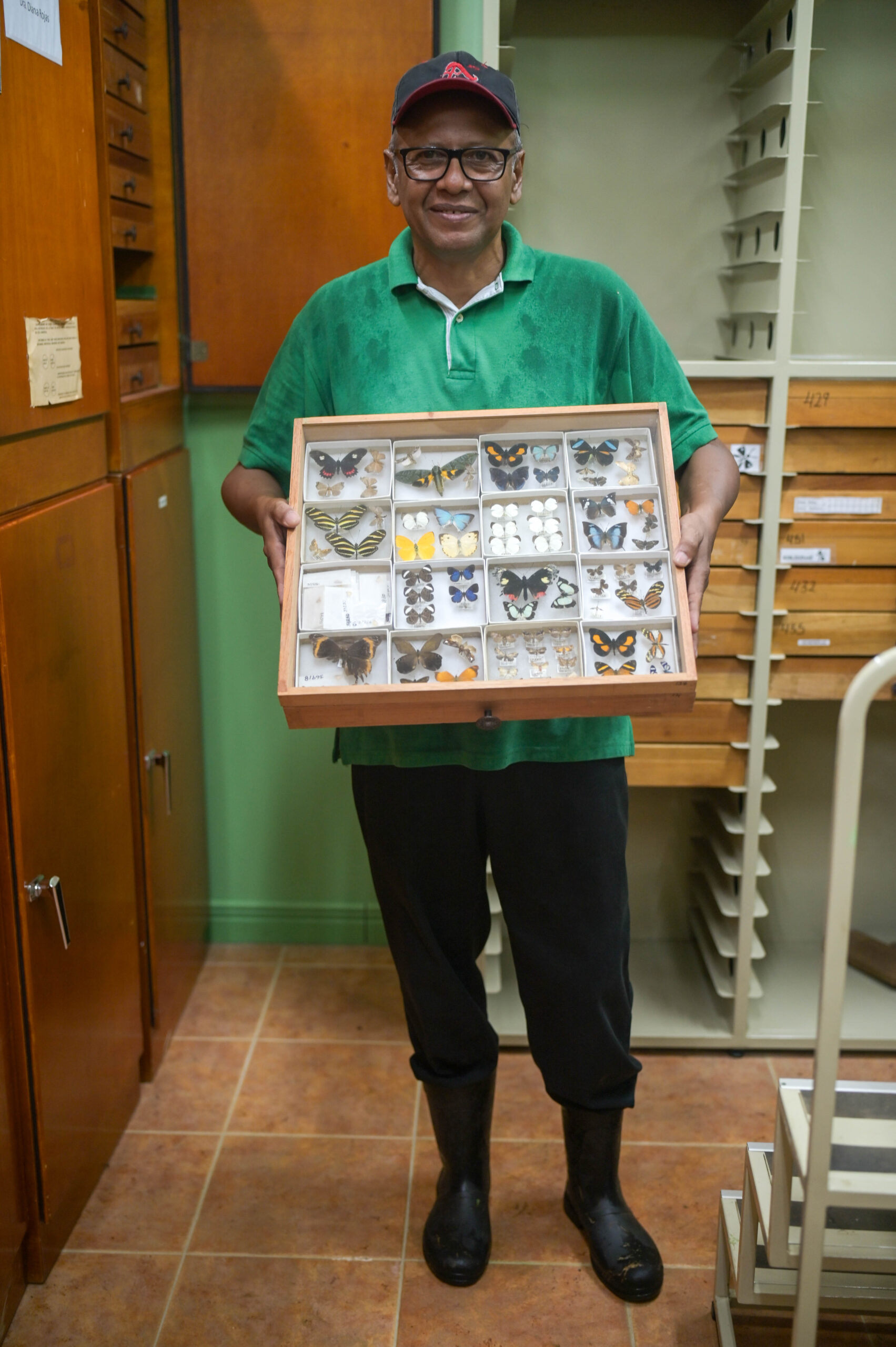
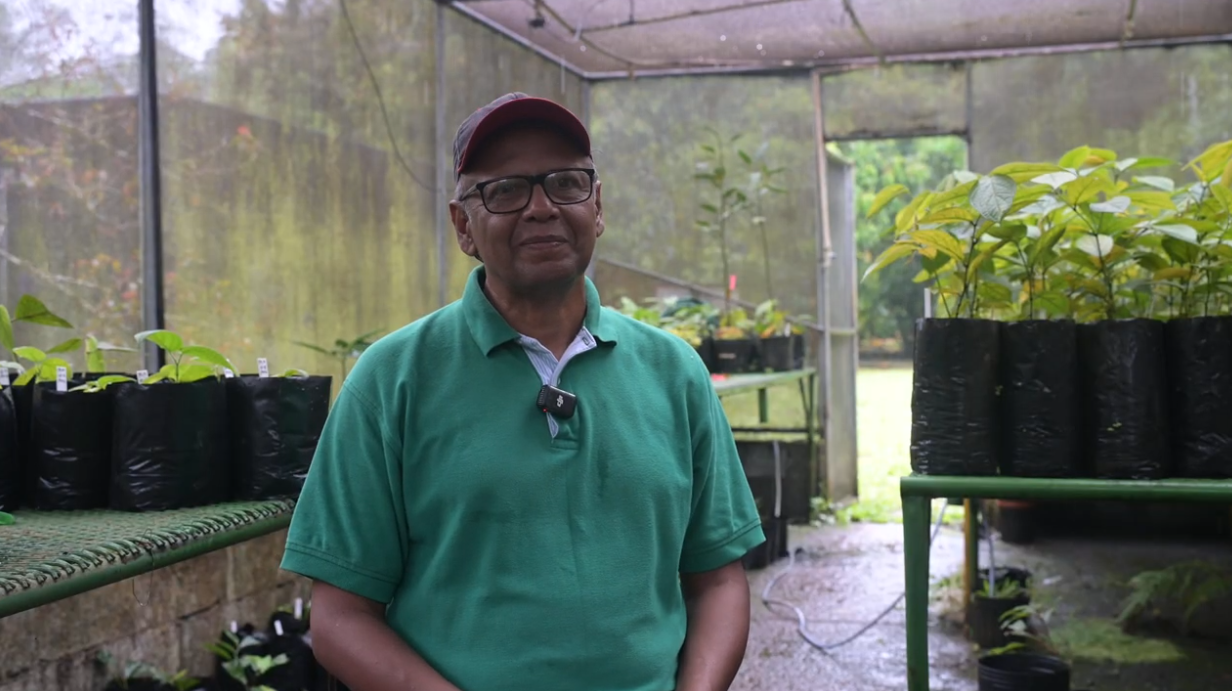
Humberto “Beto” García stands as a bridge between two worlds, the researchers and the locals. García has worked hard to be in the position he’s in. Growing up nearby, he fell in love with the world around him; however back then, La Selva didn’t do much to bring in to the center the local community. García mentioned that at one point, people in the area weren’t even aware that La Selva existed.
Beto, as he is affectionally called, first started doing field work with Don Isaias at least 35 years ago. From there, he got to learn the science behind the nature he loves and over the decades has been a co-author in many research papers done in La Selva. Working closely with caterpillars, he helped lead to the discovery of many new species. Now he serves as one of the lead experts at La Selva – despite coming from nothing – in part due to his collaborations with science researchers from the University of Nevada, Reno.
Operations: Making Everything Run
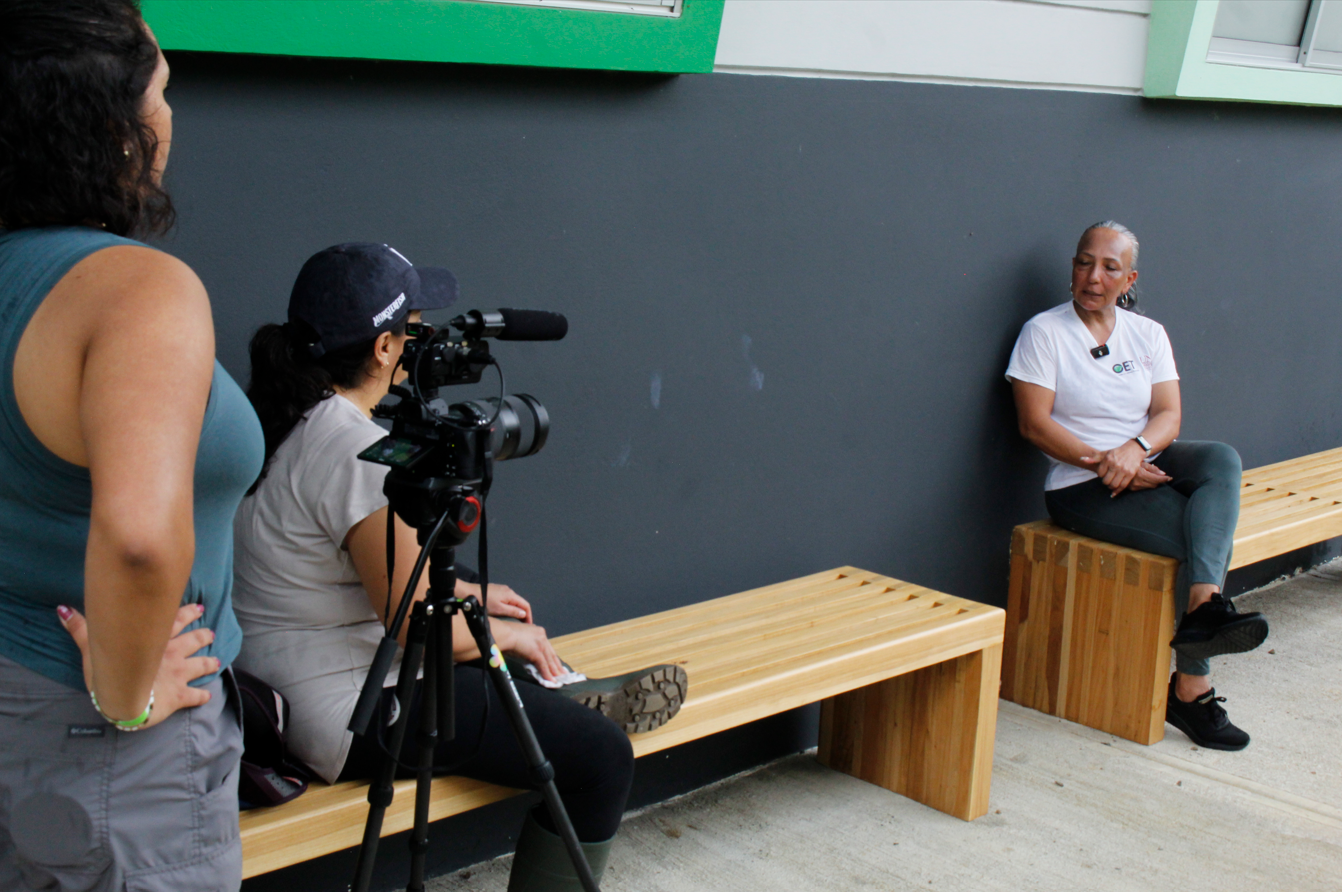
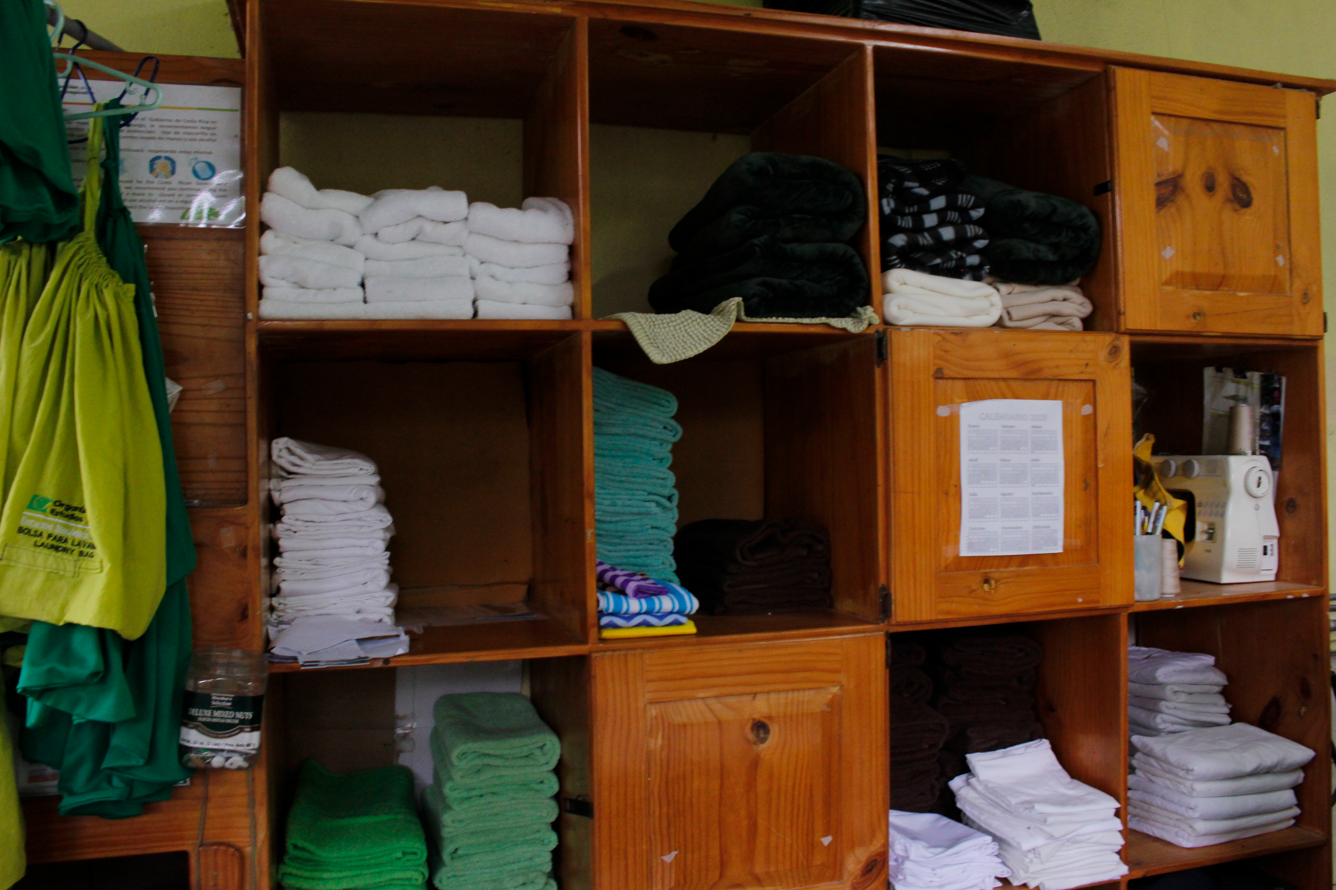
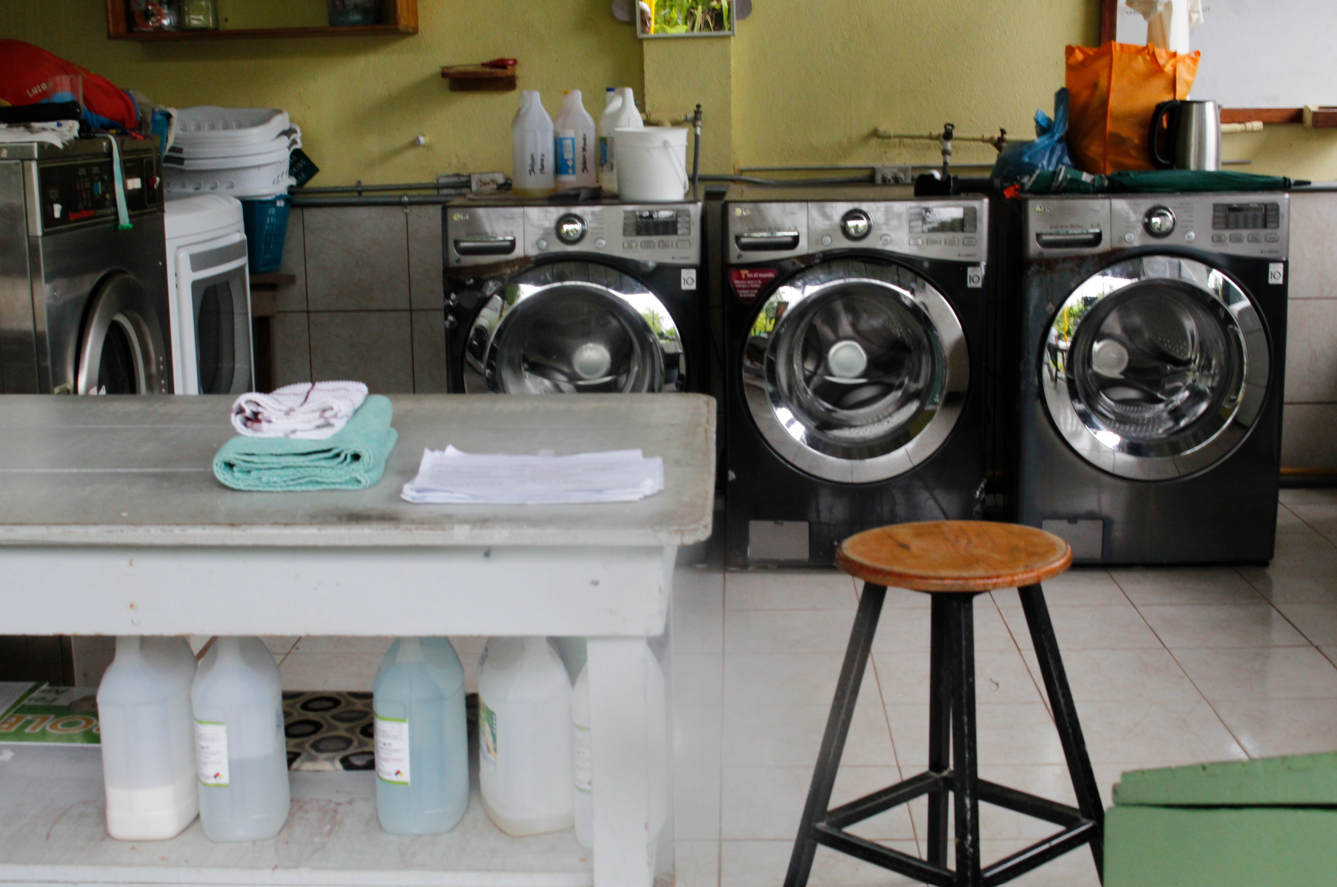
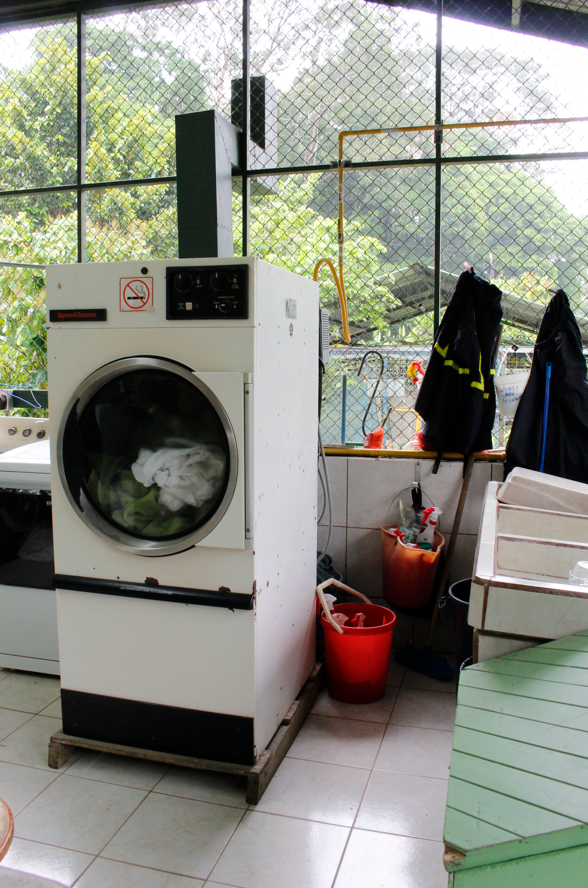
Despite its distance of 97.9 kilometers (or 60 miles) from Juan Santamaría International Airport in Alajuela Province near the capital of San José, La Selva is regularly maintained.
With scientists and tourists [the sight is popular with eco-tourists] constantly coming from around the world, it’s important that the facilities are kept clean and well-operated. The cleaning department ensures that you can keep your clothes, cabins, and your stay in tip-top shape. Being that they support sustainability methods first, they use products that won’t harm the environment. There’s also a huge effort at the station to recycle everything possible. Trash, food waste, glass, aluminum, and plastic are all separated before being dealt with.
The Hands that Feed: the Kitchen Staff
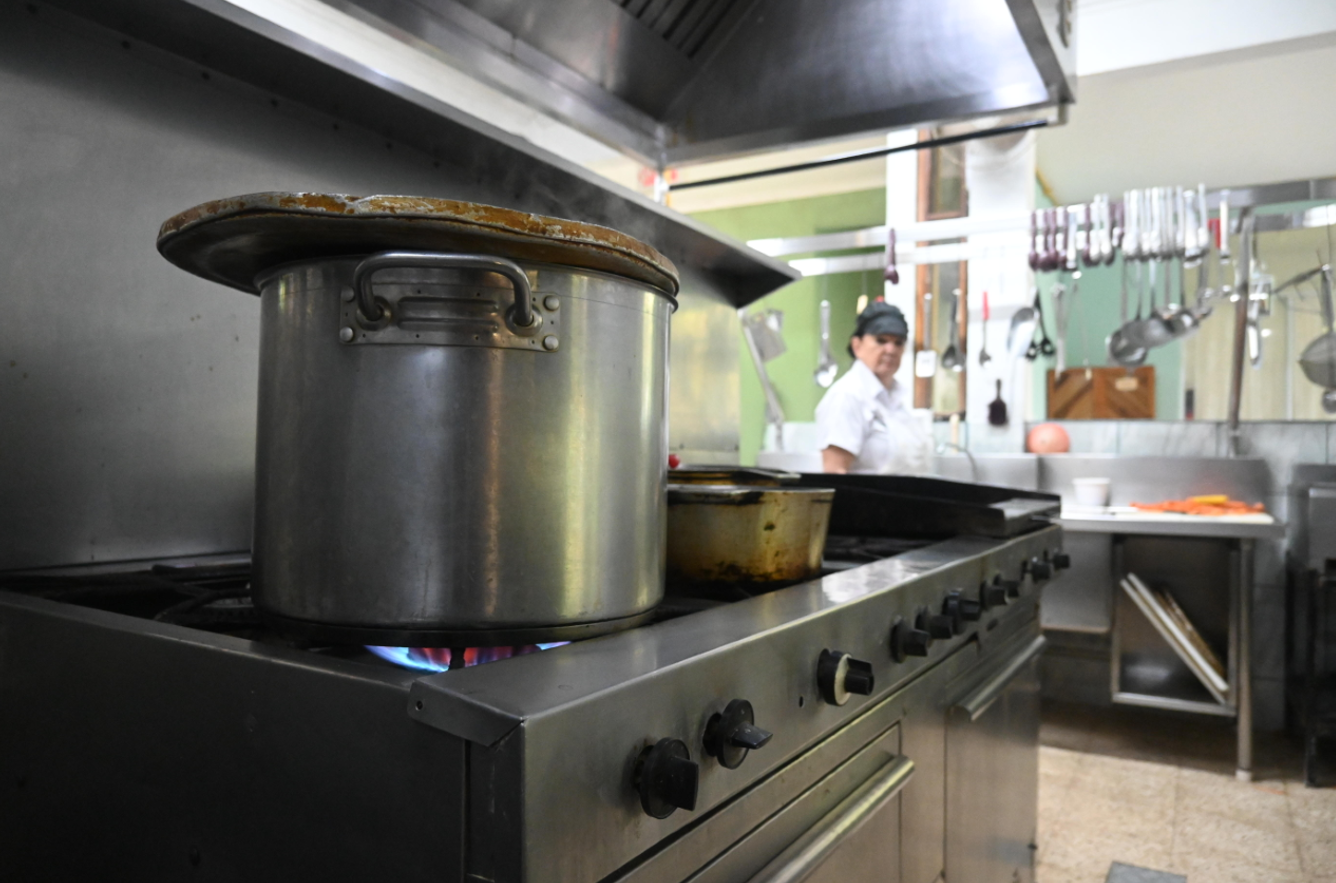
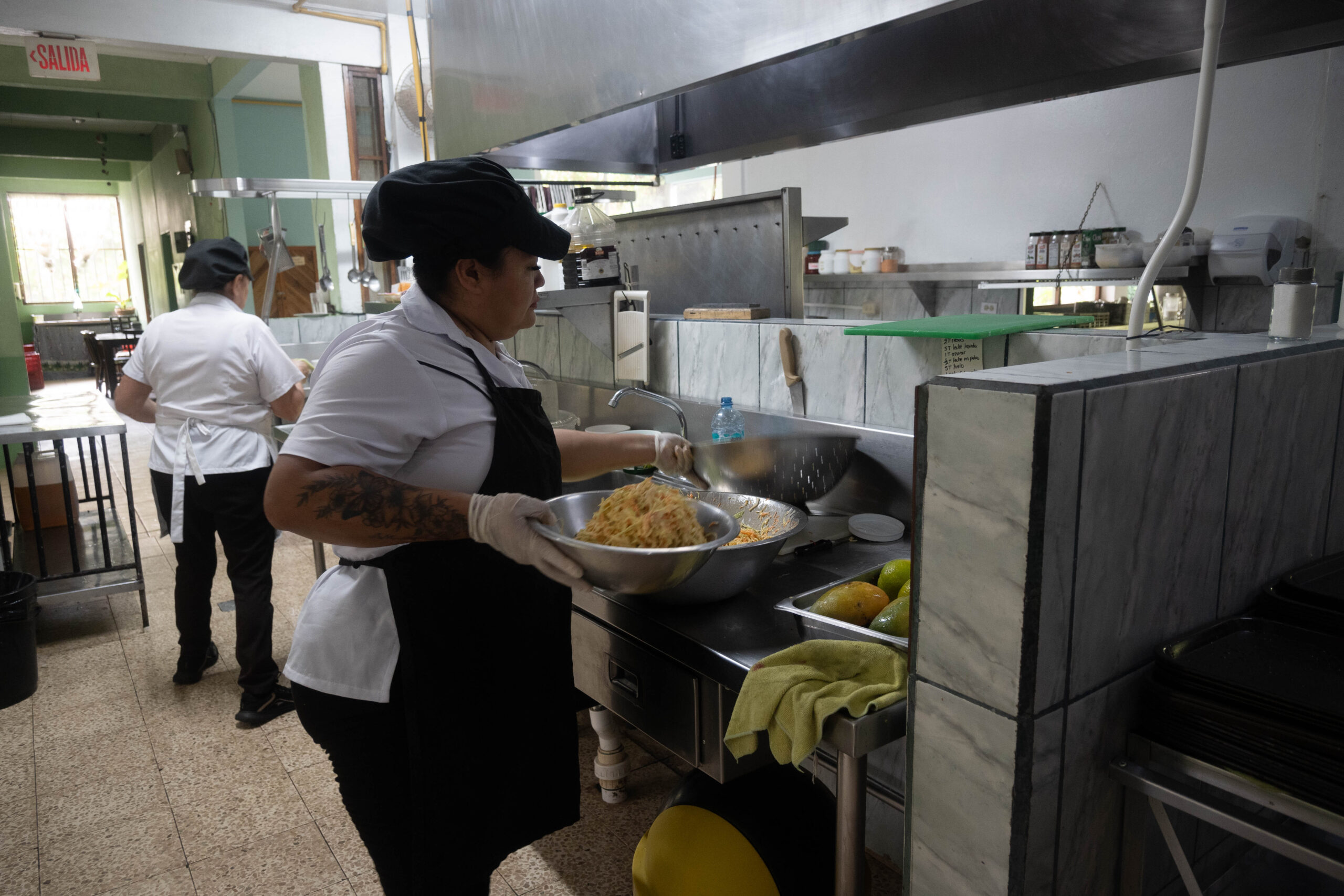
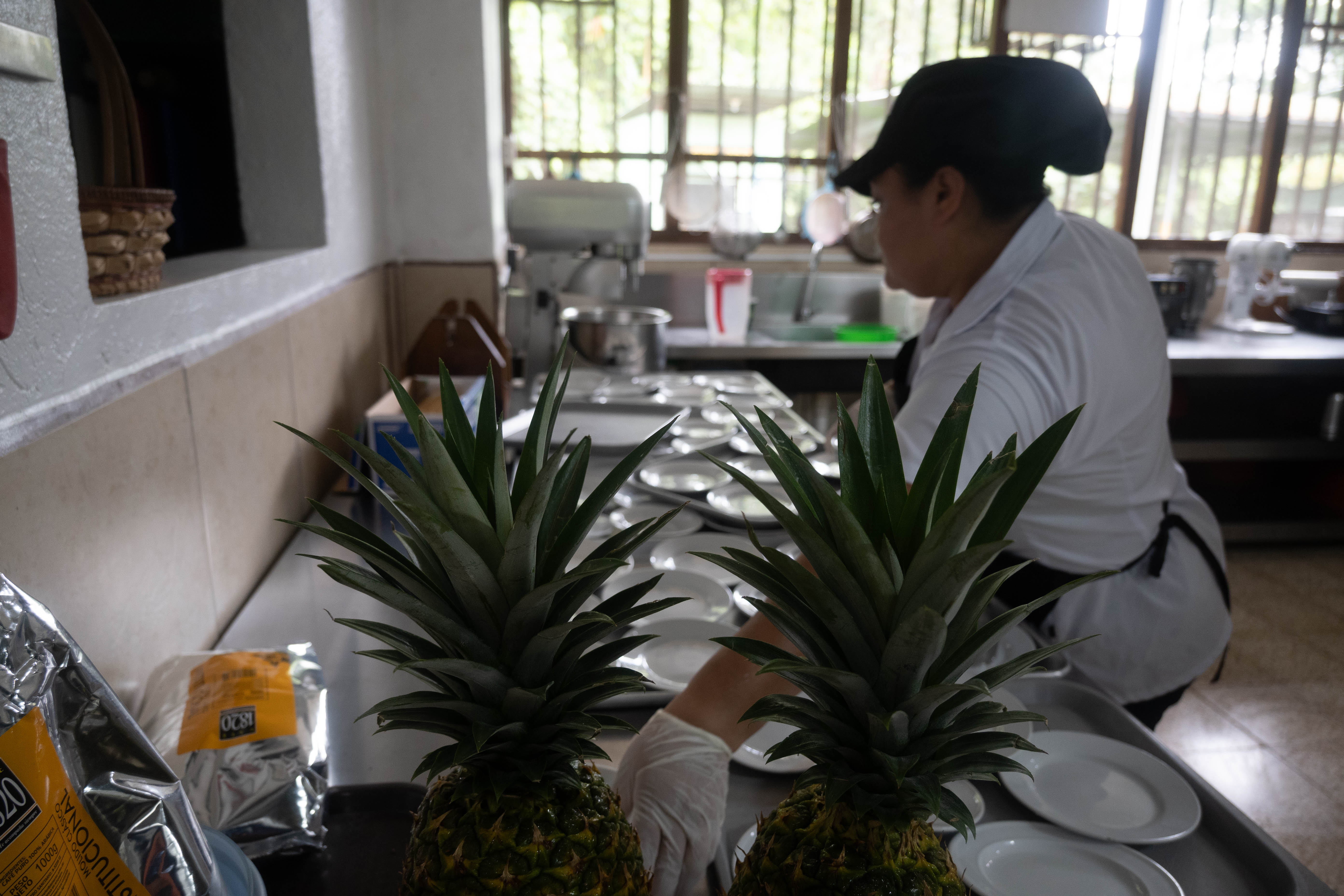
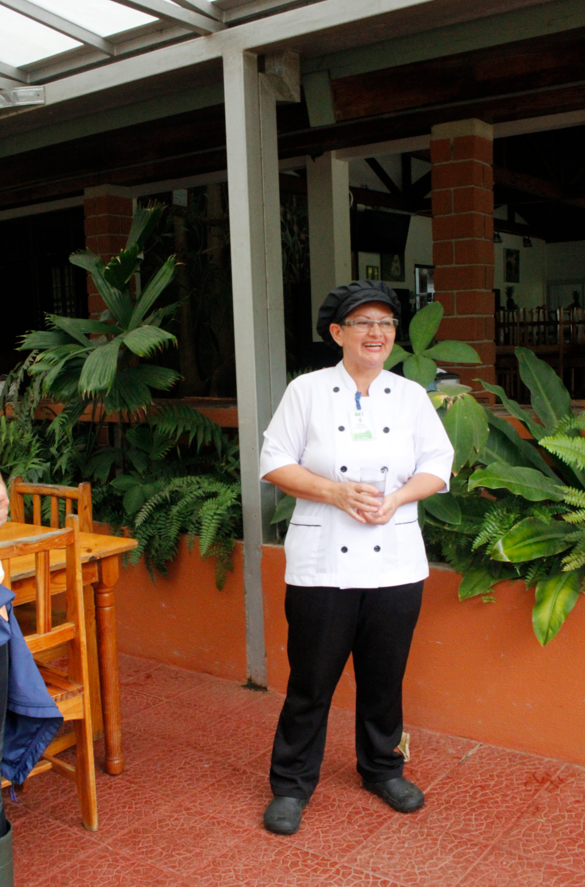
Visitors never have to worry about going hungry at La Selva because it sources the best local food products and due to the effort of a dedicated kitchen staff. Every single meal served includes a fresh protein, a mix of rice, beans, or lentils, a salad, and a mixture fruits and freshly made juice. All the bread and desserts are homemade too.
According to the kitchen staff, the favorite part of their day is when they are told “how delicious their food is.” They assure that the meals are cooked to cater to the groups coming. If they know a group is coming with little ones, they try to make easy-to-consume foods, or if they know a smaller number of people will be staying, they make foods that would otherwise be quite time-consuming to make. All of this is to ensure that every food can be brought out in an efficient manner for every meal.
Rodolfo “Fofo” Alvarado
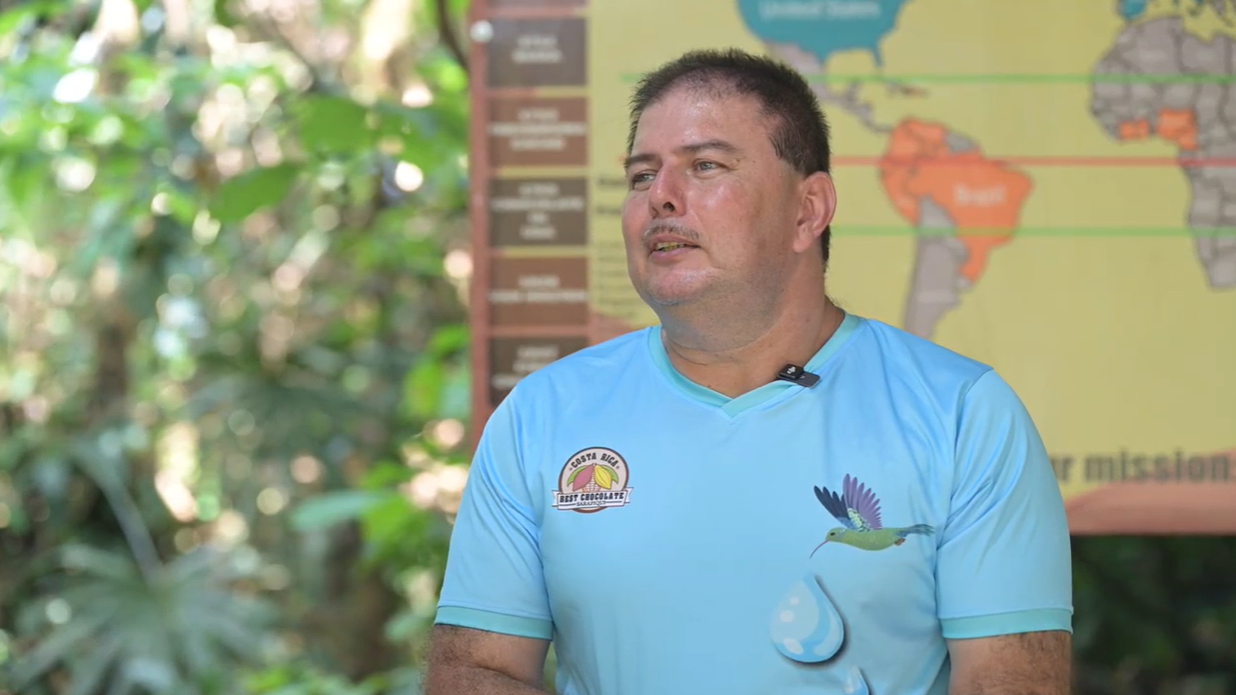
Rodolfo Alvarado, also known as “Fofo,” is the son of Don Isaias. He works to make sure his father legacy isn’t forgotten.
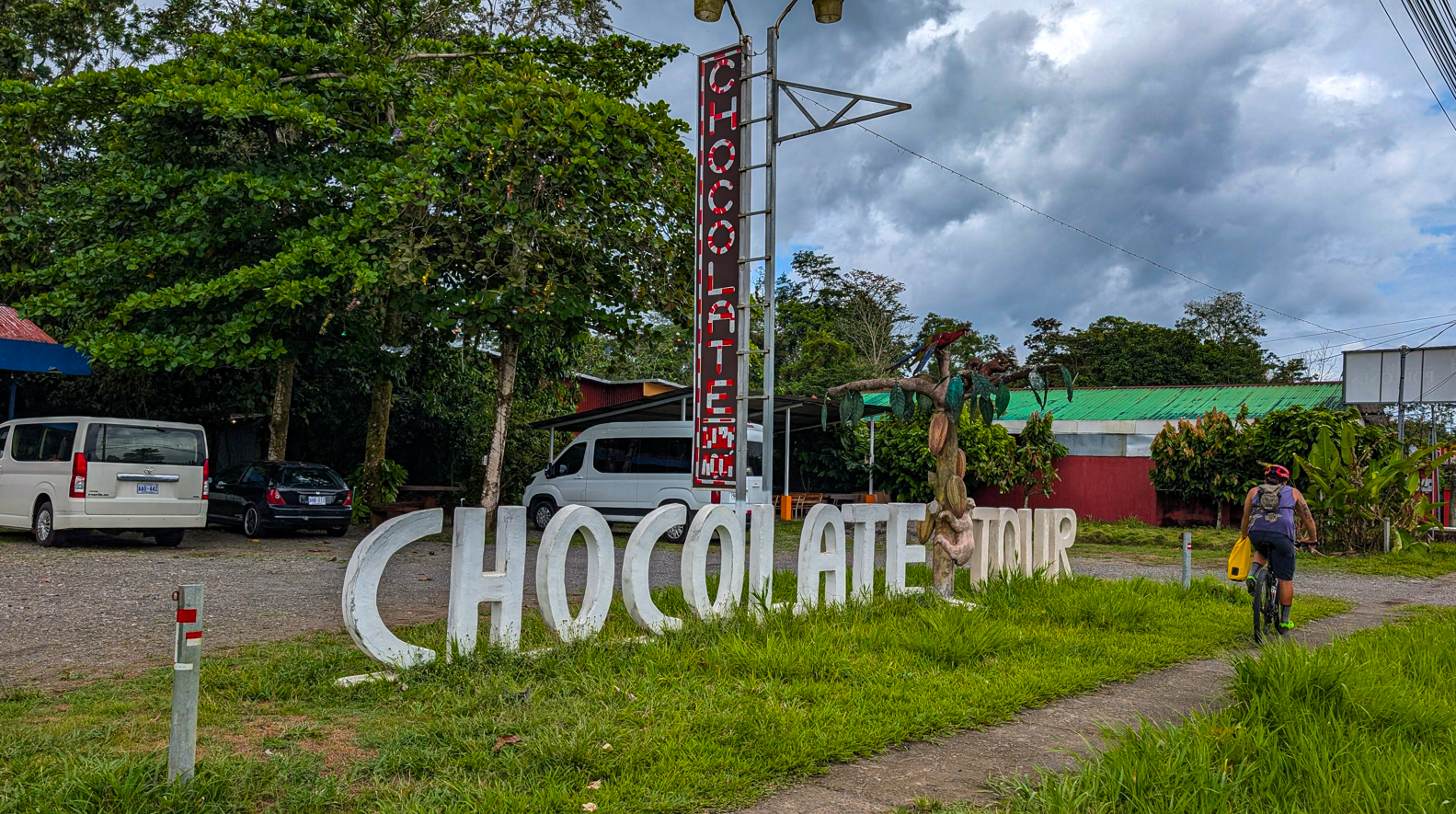
Alvarado, however, doesn’t work at La Selva and instead used what he learned from his father to follow his own passion. He set up his own tour company called “Costa Rica’s Best Chocolate,” teaching people the process of how organic chocolate is made. At his business, located not too far from La Selva, folks will be able to find more appreciation for cocoa beans while also understanding that the crop itself is also in danger of running out. It’s his way of giving back to a place that he said him everything.
One fable about a hummingbird is an inspiration to “Fofo” and his team. According to the story, a forest fire forces a lot of the animals to feel. But the a brave little hummingbird stays behind going back and forth from the river carrying droplets of water to help extinguish the flames. The other animals laugh saying that his efforts are in vain. The hummingbird responds that he’s just trying to do his best.
“I want to be the hummingbird,” Alvarado said. “I want everybody to be the hummingbird. It doesn’t matter how much you can do. Every little bit counts to make it happen.”
Editor’s Note: Katherine Fulwider, Gaby Moreno, and Sofia Castillo-Trujillo also contributed to this article.
Why Do We Celebrate Earth Day?
UNR’S mural project completed, artist Rafael Blanco describes the process
Buñuelos: Preserving A Mexican Tradition
About The Author
