Q&A: Kevin Partida Believes Reno Can Be A Soccer Town Once Again
October 14, 2025 By
Noticiero Movil
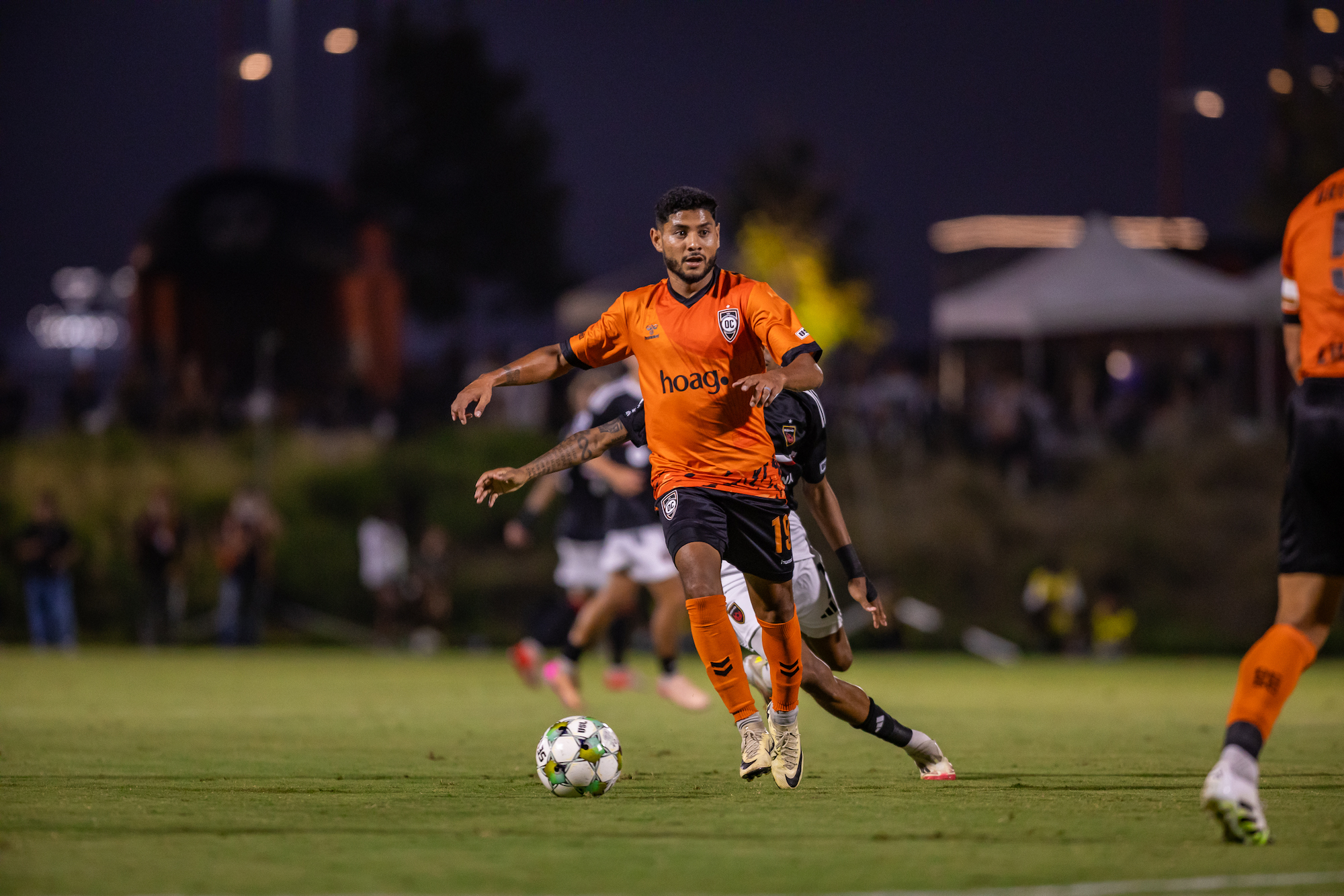
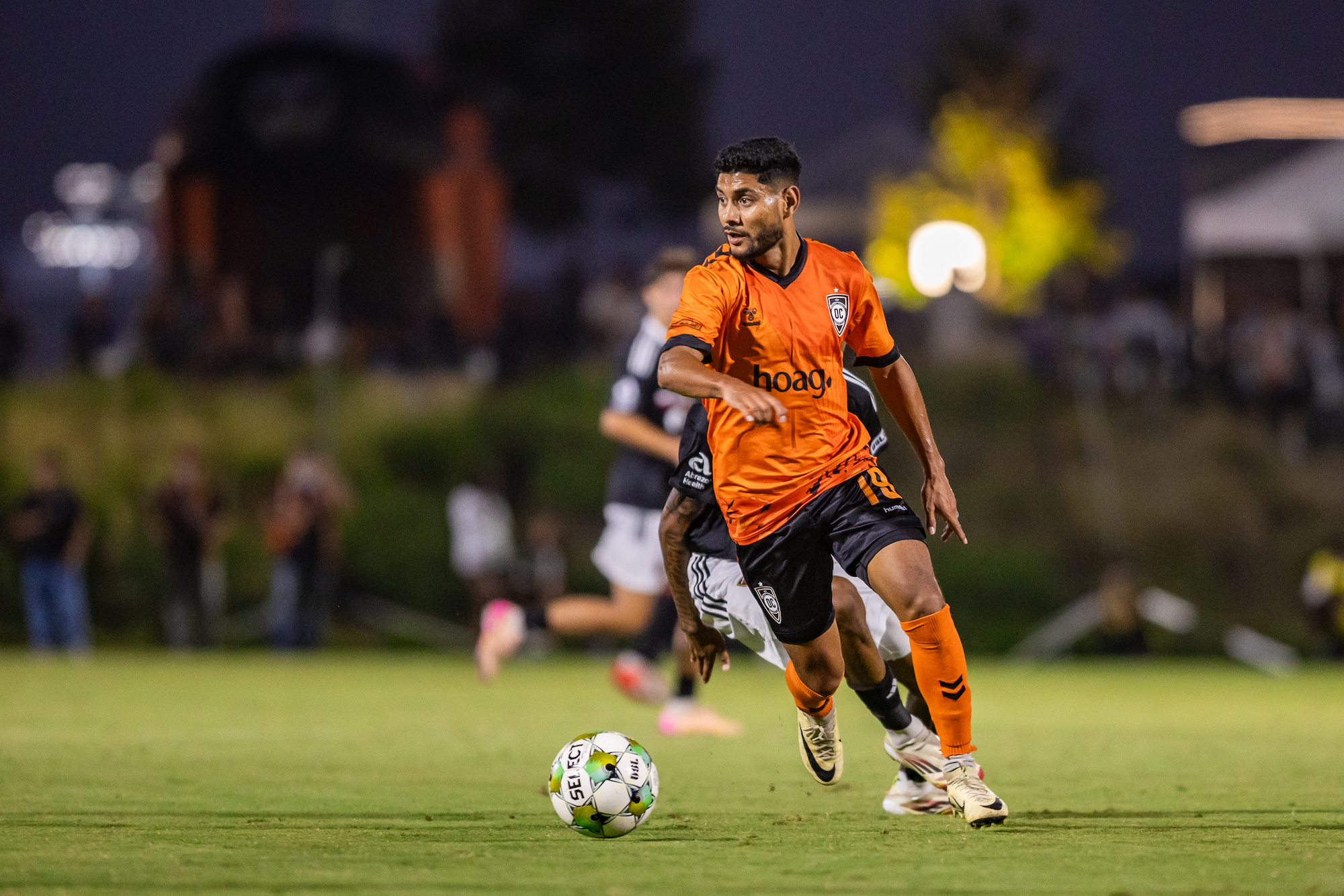
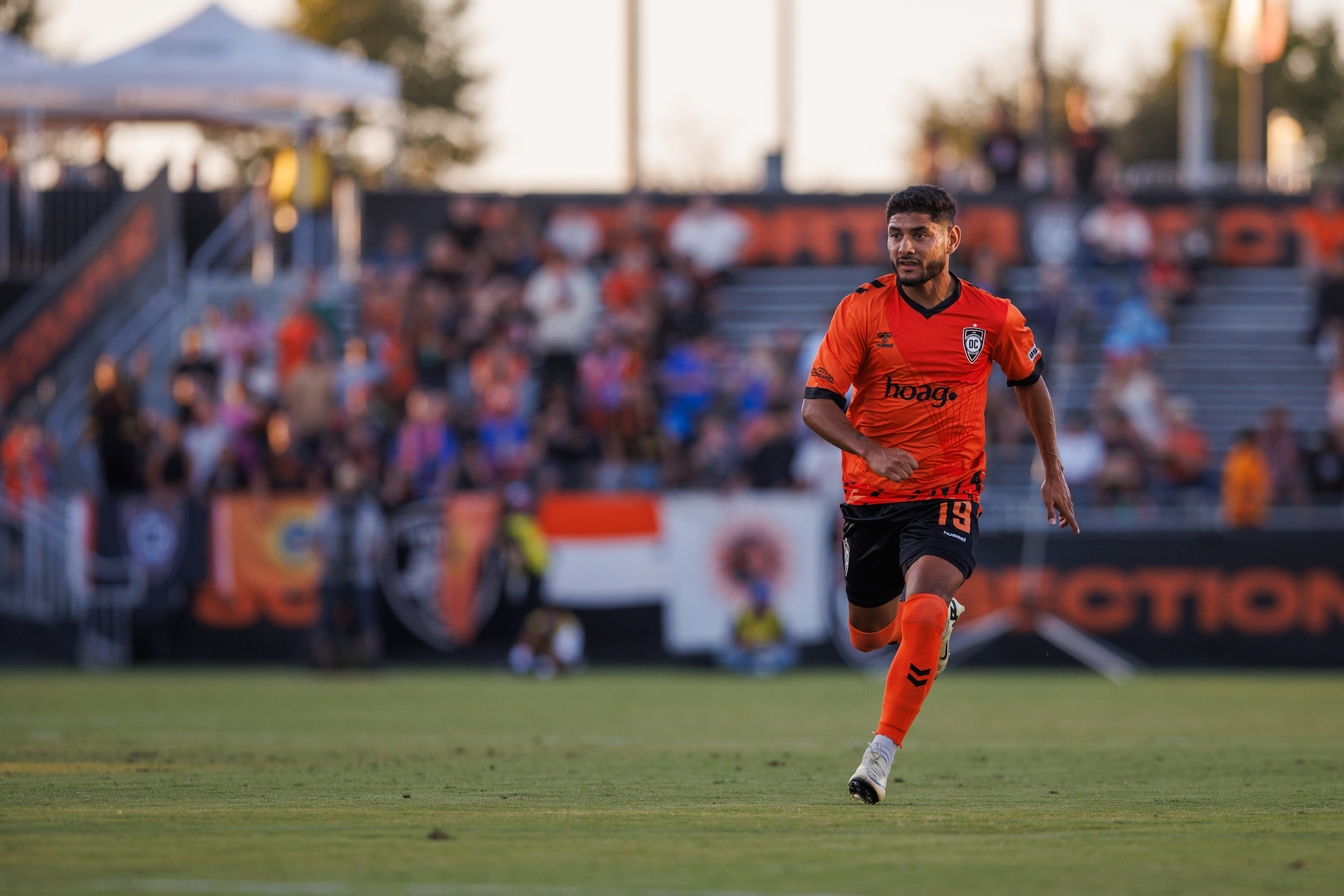
Currently a midfielder for Orange County SC, an Irvine, CA United Soccer League team, Kevin Partida was born in Sparks, NV. He’s one of the region’s most prolific and well-known soccer players.
After graduating from Sparks High, Partida played soccer for the Rebels of UNLV before returning home to play for Reno 1868 FC also of the USL. The team dissolved in Fall 2020 during the COVID-19 pandemic. Partida, who is now 30-years-old, joined Orange County SC in 2022.
As World Cup 2026 fever begins to catch on in the United States, and as the Reno sports scene continues to grow, we caught up with Partida to ask about the future of soccer in Northern Nevada.
Noticiero Móvil: You’re currently on the injury report, so I hope your recovery is going well. And how long do you think it’ll be until you’re back out in the field again?
Kevin Partida: It’s that time of season where we start to rush things a little bit, in the sense of trying to get back as soon as possible. There’s no exact date I would say, but I’m definitely pushing to be back sooner rather than later. Hopefully, you know, in the next couple of weeks.
Noticiero Móvil: How did you first get into playing soccer? Did you have a certain motivation for playing?
Partida: I was just around it as early as I can remember. My dad was playing at the time, and my older brother was also playing. Probably since I could walk, I was at games all weekend. As soon as I was old enough, I joined my first team at probably about [age] six.
Noticiero Móvil: Where did you play in the Reno area and who were your main coaches and teammates that you had when you were younger?
Partida: The Reno soccer community is pretty tight. Reno isn’t the biggest city, so I just played in the northern Nevada Soccer League, which is still around today. I think it really shaped my development; from the beginning all the way through, probably up until I got into high school [at Sparks High]. Then at that age, I joined the Sagebrush Soccer Club, which was a club that was around back then. I then started to do more of the club soccer travel tournaments, those kinds of things.
Noticiero Móvil: What was it like having to go to the University of Nevada Las Vegas (UNLV) to play soccer?
Partida: I was just excited to play at a Division-1 school. I think at the time, I didn’t have the most awareness about how college sports such as Division-1 and UNLV were exactly like.
I knew that the University of Nevada, Reno (UNR) didn’t have a team. With UNLV being an in-state school and the conversations I had with the coaches, they were motivating. I was just happy to be playing D1 soccer at that time and continuing to play. I think in Reno, as far as I know, there were not a lot of people who were getting this opportunity and so I was excited to get to move on.
Noticiero Móvil: Would you say it’s hard for players in Reno to break out and make it professionally?
Partida: I think there’s definitely a lack of eyes on the area. I don’t think it’s necessarily just a Reno issue, but more of a “smaller cities” issue. They (Reno) don’t have a professional team anymore. In the city, the closest professional team is probably Sacramento, that is a United Soccer League team. Then you have closest after that, which is San Jose, which is a good four or five hours away.
I think Reno definitely has a lack of exposure. The most probable route to play professionally is probably the one I took still, which was 10 years ago now. That’s to play college soccer and then hope to have a good enough college career to where you can then continue to move on.
Noticiero Móvil: You were on Reno 1868 FC in 2020 when it disbanded. What was that experience like?
Partida: It was really, really memorable to get to play in front of friends and family for a full season. Obviously, Covid was kind of crazy, so there was a limit to how many fans you could have and stuff like that at first. But finding out that the team had disbanded after the end of the season was obviously disappointing.
Obviously, it was disappointing, but more so because I feel like it cut any sort of progress that was happening, as far as players in that city gaining opportunities to move on.
The older I get, the more I value and appreciate the city and the soccer community that developed me. I’ve always hoped for it to have more exposure and losing the professional team put a dent in that.
“I’ll mention it anytime someone asks, which is that: I’m really proud to come from [Reno].”
-Kevin Partida
Noticiero Móvil: What was that process like of having to switch teams so suddenly? Like, did you find a new team quickly?
Partida: As soon as the season ended, I had a contract with Minnesota United FC, so it was almost probably a couple weeks later when I moved over there. Luckily at the time, I was four seasons into my career, so I had enough games played to be able to have some opportunities to continue.
Noticiero Móvil: What do you think it would take to bring a professional team back here?
Partida: I’m not completely aware of the workings of the National Collegiate Athletic Association (NCAA), and how they decide those things.
I did see some news about a new ownership group agreeing with the USL to bring a professional team back to Reno in the future. This was just a couple days ago, so I just saw the announcement, but I’m not fully aware as far as timelines and things like that. So that’s exciting.
Obviously, the announcement is very early, so hopefully, everything follows through, and we do end up seeing a team back in Reno.
Noticiero Móvil: You’ve been with Orange County SC for about three years. What’s that experience been like? What’s the culture of soccer like in LA? How is it different?
Partida: It’s the same league that I was playing in, so there’s a little bit of familiarity there. Every club is different in its own right. Obviously Orange County and California are going to be different than Reno.
I’ve really enjoyed it. It’s an area where my wife grew up in, so we have family here. At this point in my life, I have two kids who get to come to the games, and all that stuff is amazing.
I think the more time you spend with one club the more you start to care, connect deeper, and be really embedded in the success of this club. I want nothing more than to bring more championships to it. I think that’s where I’m at right now, just wanting to help grow this team and club as much as possible.
Noticiero Móvil: After your playing career is over, do you still plan to be around soccer? What does retirement look like for you?
Partida: I would say that I’ve developed a pretty clear idea of the way that I see the game. Everyone has different ways of seeing the game in every sport, and so do I. I have enough love for the game to want to stay in it and, hopefully, to at least give it a go, as far as coaching goes.
Going back to an earlier question about my development in Reno. I think that this is something that I’ve thought about often. I wish more players from Reno had more opportunities. I wish there was a way that we could showcase more of the talent that there is in Reno. Maybe that’s something I can help with.
I don’t have an exact job that I want to go into as far as retirement, but these are kind of the thoughts that I have, which are being able to coach and pass along some of the experience that I have and in general, trying to help Reno more than anything.
I’ll mention it anytime someone asks, which is that: I’m really proud to come from that city [of Reno]. I think of all the players that I played with and against during my childhood and the amount of talent that there was. I wish more, more people would have gotten the same opportunities that I did.
Noticiero Móvil: What are your general thoughts on the World Cup coming to the US next year? Do you have plans to catch a game?
Partida: It’s exciting. I feel like it came by quick. I don’t really have expectations. It’s one of those things where I don’t really know what to expect, but I’m hoping that it brings nothing but positive things to help grow this game in this country. I think it’s a conversation that’s brought up so often about this sport, and how much everybody wants to grow it in America.
Hopefully the World Cup will have a big impact on the sport in this country. I hope I can catch a game, but I don’t know what’s going on with tickets right now and it seems like it’s a mess from some headlines that I’ve read.
Noticiero Móvil: What are your general thoughts also on soccer in the US? Do you think it’s heading in the right direction?
Partida: I think in California, it feels like there’s so many more kids playing here. But, I think, it’s gotten a little bit more recognition. I wouldn’t say it’s gotten huge yet and like I said, hopefully the World Cup has some sort of impact on that. I think it’s something that, the federation, the people who run these leagues, the national team, and stuff in general, are working hard to do.
I hope it just continues to grow and more than anything that more people start to get opportunities. Like I keep saying, I think being from a small city, in that sense, it’s kind of stayed the same. When I was growing up playing, I didn’t know about academies and now we’re talking 10 to 15 years later and there’s still not really a huge or clear route, from being a youth player in Reno, to moving up, gaining an opportunity, and having a shot at a professional career.
Noticiero Móvil: What would you say is the best solution for those small cities? Is it more exposure?
Partida: I think it’s going to be more exposure. Nowadays a lot of Major League Soccer clubs have in-house academies where they’ll bring players in, and they’ll house them if they’re from out of town. These are a little bit more available nowadays, but every club doesn’t necessarily have them. I don’t know if I have the solution for that.
Noticiero Móvil: Are you familiar with the journey players need to take to try out for the US Men’s National Team? Is that something that you’d be interested in doing, potentially?
Partida: For the national team there’s typically coaches who are scouting the leagues and the players in the league. It’s not necessarily a tryout thing. I think at this point in my career, I’m focused on helping my team win and a little less focused on big ambitions of playing for the national team or things like that than I did when I was growing up.
Noticiero Móvil: Is there anything else you’d like to say?
Partida: The pride that I have for being from Reno and representing both them and the soccer community there. Hopefully, I’m representing it well and like I said, I hope that more people get opportunities.
This article was written by Cameron Perkins, a Spanish and Journalism dual-major in his senior year at the University of Nevada, Reno.